
Ever notice how your radio stations now mix hot new tracks with the classics you’ve always loved? It’s like catching up with an old friend who knows all the latest buzz and still remembers the golden hits.
A quick social media challenge can instantly turn a song into the next big thing, imagine your favorite track lighting up the airwaves overnight! And behind the scenes, radio teams are tuning in to real-time social chatter to blend energetic dance beats with heartfelt ballads that keep us all listening.
In this chat, we’ll dive into how these trends are shaking up radio play and giving our musical world a fresh, exciting spin.
Current Landscape of Pop Hit Radio Play Trends
Radio stations are mixing the latest online viral moments with classic hits to create a playlist that really vibes with today’s crowd. From December 2024 to January 2025, tracks like "In the End" lit up TikTok, Instagram, and Twitter with fun challenges before landing on the “Hot List.” This list is a cool mashup of upbeat dance tracks and soulful ballads, totally recharging the airwaves.
Programmers keep a close eye on real-time listener stats to know the perfect moment to drop these trending tunes. They blend digital streaming data with classic radio play counts to catch both the online buzz and loyal audience. It’s like they’re using modern insights mixed with trusted rotation habits to ensure every song gets its spotlight.
Fun fact: Before the digital age, many stations depended on listener call-ins. Now, a viral clip can make a hit overnight!
Emerging trends in pop hit radio include:
- Rapid integration of social media challenges into playlists
- A balanced rotation of energetic dance beats and heartfelt ballads
This fresh blend of digital dynamism and traditional vibes is reshaping radio for the better, keeping the music exciting and listeners coming back for more.
Historical Evolution of Pop Hit Radio Play Trends
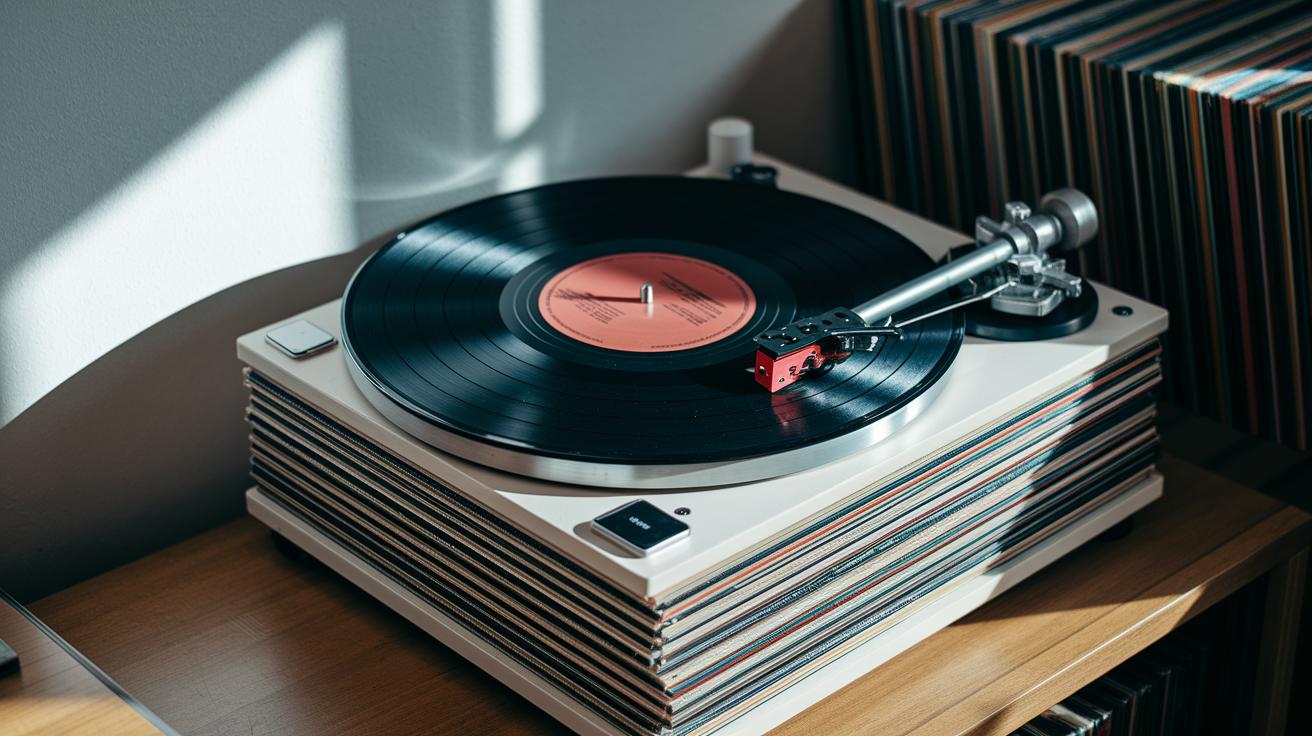
Back in 1972, Buzz Bennett from KCBQ San Diego kick-started a whole new approach by using 45 rpm sales from local record stores. Before digital charts, DJs relied on real-world vinyl sales to shape their Top 40 playlists. This hands-on method mixed cold, hard sales data with the vibe of the listening audience to set the stage for pop hit radio trends.
Soon, fresh research joined the party with three cool insights from the funky 70s. First, songs often grew in popularity long after their initial release buzz. Second, radio fans fell into two groups: active listeners who hunted for new tunes and passive ones who needed to hear a track a few times before liking it. And third, it turned out that repeated spins were key in turning a song into a beloved hit.
By the late 1980s, callout surveys became a radio staple. Stations used these surveys to fine-tune their playlists, helping songs climb up Billboard’s Hot 100. This smart, data-driven approach not only made tracks more appealing on the air but also offered insights that still influence music trends today.
It’s pretty cool how those early methods paved the way for modern broadcasting. The shift from simple sales tracking to detailed surveys shows just how much data has shaped pop radio, keeping the excitement alive and fueling the evolution of our favorite hits.
Key Airplay Performance Metrics in Pop Hit Radio Play Trends
Ever wonder how radio programmers decide which songs really rock the airwaves? They mix and match several numbers like spins, impressions, and callout research scores to see if a track is catching ears from both die-hard fans and casual listeners. Take "Lovin on Me" for example, before this tune even hit the dance floors, it logged an impressive 200 spins in one week, showing just how much a song's play count can boost its momentum.
By tallying up total spins per week, programmers get a clear picture of a song's reach. Then there's the audience impression count, which tells us how many people actually tuned in and listened when the track played. Think of it like checking the vibe at a concert, multiple listens can turn a catchy beat into an unforgettable hit. And yes, even though callout research has been around since the 70s, it’s still a trusted guide; people usually need to hear a song a few times before it truly sticks.
Modern tracking also looks at how consistently a song rotates on air, measuring spins per hour or per day. Imagine a track hitting 15 spins during peak hours but only a couple during quieter moments, that sort of pattern really shapes how playlists are scheduled.
Another key piece is the callout research score, which directly reflects how engaged listeners are. When programmers compare these scores with the overall play counts, they can fine-tune the lineup to make sure every song gets its moment in the spotlight. In short, by balancing these core metrics, callout scores, total spins, impression counts, and rotation frequency, radio stations keep the hits coming and the vibes on point.
Broadcast Programming Evolution and Its Role in Pop Hit Radio Play Trends

FM radio has split up its playlists into pop, country, rock, and R&B, letting DJs target listeners who are really tuned in. In the old days, stations played wide playlists, but now they focus on specific sounds, using callout surveys to decide which tunes become hits.
Imagine a DJ noticing a song that repeats so much it feels like that catchy jingle you never knew stuck in your head. It’s a cool mix where stations pair classic '90s heavy hitters with smart, data-backed picks. They now use both old-school factors like total air time and fresh surveys to decide which songs deserve a long run.
Radio teams have been blending traditional methods with online callout research since 2025. They’re spotting trends to craft playlists that appeal to die-hard fans and casual listeners alike. It’s like keeping the heartbeat of radio steady; familiar favorites stay on while new hits get a spot in the lineup.
The way stations program shows how radio evolves by honoring its past and embracing today’s digital insights. Every song earns its spot by capturing listeners’ attention across different moments, all while sticking to the classic structure that keeps pop hit radio alive and buzzing.
Digital Airplay Expansion: Streaming Integration in Pop Hit Radio Play Trends
Radio stations are now using slick analytics that give them real-time feedback to switch up playlists on the fly. Imagine a station spotting a track go viral in just 15 minutes thanks to a live dashboard, they even saw a nearly 40% jump in streams and tweaked their rotation while the song was still trending online. Pretty wild, right?
These new tools mix streaming data with clear insights into listener behavior, breaking down totals, platform-specific details, and how fans interact with a track. This kind of info directly guides programming decisions, making it a huge step up from the old, slow survey methods.
Today’s radio teams have special platforms, like the ones we’ll find on "pop music latest hits" (https://popbrunch.com?p=252), that deliver more than just numbers. They offer a deeper look at trends from every angle, so programmers aren’t stuck rehashing outdated data.
When a song suddenly blows up online, real-time dashboards act like an early-warning system. Those detailed digital metrics spark quick changes in airplay, keeping the rotations fresh and totally in tune with what listeners are loving right now.
Chart Success Dynamics: Analyzing Ranking Influence in Pop Hit Radio Play Trends

Lately, new technology in chart analysis is giving us cool insights into what really moves pop hit rankings. Experts are now splitting up the research on callouts from radio rotation numbers, which paints a much clearer picture of how a track grows. For instance, a 2021 study found that when streaming counts jumped by 20%, thanks to an algorithm update, a song saw a noticeable climb on the charts.
Industry trends show that even tiny shifts in real-time numbers can affect a song’s spot. One study revealed that a quick boost in streaming, paired with refreshed callout research, moved a track up by about half a spot on average. Basically, when a song’s digital buzz spikes, the recalibrated system picks up on it instantly, giving immediate feedback on its ranking potential. How cool is that? In one case, a surge in social media chatter along with increased streaming sent a track up the charts right away.
The latest models focus on how callout research and live streaming numbers work together. By breaking down these elements, analysts can clearly see how short bursts of radio airplay play into a track’s long-term success. Think about a pop hit that suddenly grabbed more attention, detailed analysis showed this extra buzz gave it a solid boost in its rankings.
Radio program directors are already using these deeper insights as a forecasting tool. By mixing in case study data and real-time feedback, they’ve found a fresh way to predict hit-making, setting their strategies apart from older methods.
Playlist Curation Techniques and Rotation Strategies in Pop Hit Radio Play Trends
Radio stations these days know how to mix classic favorites with fresh, new tracks that keep every show buzzing. They often kick off their lineups with cool segments like "Hit Makers." In these fun features, you'll get the inside scoop on a song's journey, like how "Die With a Smile" went from its very first studio session to the final addictive cut. This behind-the-scenes peek not only shows why a song gets steady airplay but also adds a layer of intrigue for everyone tuning in.
Ever thought about having a say in your favorite tunes? Programming teams invite listeners to weigh in through lively fan polls. Imagine a message saying, "Vote for your vibe of the week!" When a song like "Changing smiles" tops the poll, it gets that extra spin, making sure every track gets its moment to shine.
The magic really happens when producers mix sharp data with their knack for picking hits. They dive into performance numbers, gather audience feedback, and soak up social media buzz to craft a rotation schedule that reaches loyal fans and grabs new ones too.
Key strategies include:
- Mixing time-tested hits with cool, new tracks
- Tweaking the rotation in real time based on what listeners are loving
- Featuring special segments that reveal the story behind a song’s evolution
All in all, this smart blend of creative curation and strategic insight keeps the airwaves upbeat and fresh every day.
Forecasting Future Pop Hit Radio Play Trends and Emerging Factors

Looking ahead to 2025, radio is set to evolve in the coolest way possible. Picture this: classic roots from the 1990s blending with fresh digital vibes as callout research goes completely online. Stations will be tuning in not just to active requests but also to the quiet trends of passive listener data, letting them curate the perfect playlist.
Imagine an AI-powered system that adjusts a track's spin in real time, sort of like your favorite DJ unexpectedly dropping a remix during a live set when social media suddenly buzzes. With deeper social media insights, broadcasters will track what’s trending by studying hashtags and engagement levels, predicting hits before they become the next big sensation. Plus, trend analytics will help reveal if listeners are into upbeat pop anthems or slow, catchy ballads, keeping every moment of the day vibrant and engaging.
Shorter, snappier songs are also on the menu, reflecting the way we stream music these days. Think of it like refreshing a playlist with quick bursts of energy that keep you hooked from start to finish.
Programming teams are shifting gears towards using data to make the coolest music choices. By mixing well-known callout research with modern AI insights, they’re set to forecast trends and keep the radio waves buzzing with positive vibes and endless energy.
Radio’s future is about balance. It’s a lively mix of classic listening and digital smart tech that promises to keep pop hit radio fresh, responsive, and totally in tune with what we love.
Final Words
In the action, we traced radio's exciting past from classic metrics to modern digital trends. The post highlighted how stations blend social buzz with traditional airplay, setting the stage for refreshing radio rotations.
We explored data-driven metrics and creative playlist choices, all while showing that pop hit radio play trends continue to shape our music scene. Enjoy riding this wave of fresh insights and dynamic tunes!
FAQ
What are the current pop hit radio play trends today?
The current pop hit radio play trends show a mix of viral online buzz with traditional airplay strategies. Radio stations now blend social media excitement with proven rotation techniques to keep playlists exciting and fresh.
How have pop hit radio play trends evolved from 2021 and 2022, and what can we expect in 2025?
Pop hit radio play trends have shifted over recent years by incorporating digital metrics and social buzz. Recent trends have focused on heavy rotation from data-driven playlists, while future trends may see AI-powered integration and shorter track cycles.
What pop songs are trending on FM radio and how do stations choose them?
Trending pop songs on FM radio often earn their spot through a combination of high callout scores, digital buzz, and strong spin counts. Stations select hits that resonate with both active and passive listeners for maximum impact.
Where can I find top hits radio stations near me?
Top hits radio stations can be located by checking local directories or using online location services. Many stations now offer streaming options on their websites, making it easier to tune in from anywhere.
Which popular tracks are currently featured in radio play trends?
Popular tracks like I Don’t Wanna Wait, Houdini, Beautiful Things, Espresso, APT., and Whatever are making waves. These songs add variety to playlists and capture the evolving tastes of today’s listeners.

