
I stumbled on one skincare hack that made my face glow — literally 'toink toink' and that glass-skin vibe. It’s a simple K‑beauty method: layer a light, water‑like toner or essence 3–7 times before applying any other product. Each thin coat hydrates, smooths texture, and preps skin, so you often can skip costly hydrating serums. It’s cheap, effective for different skin types (my dry skin and my husband’s oily, acne-prone skin both saw benefits), and easy to try. Below I break down how to do it, tips, pros, cons, and safety notes.
One Skincare Hack for Glass Skin: Layer Your Toner 3–7 Times
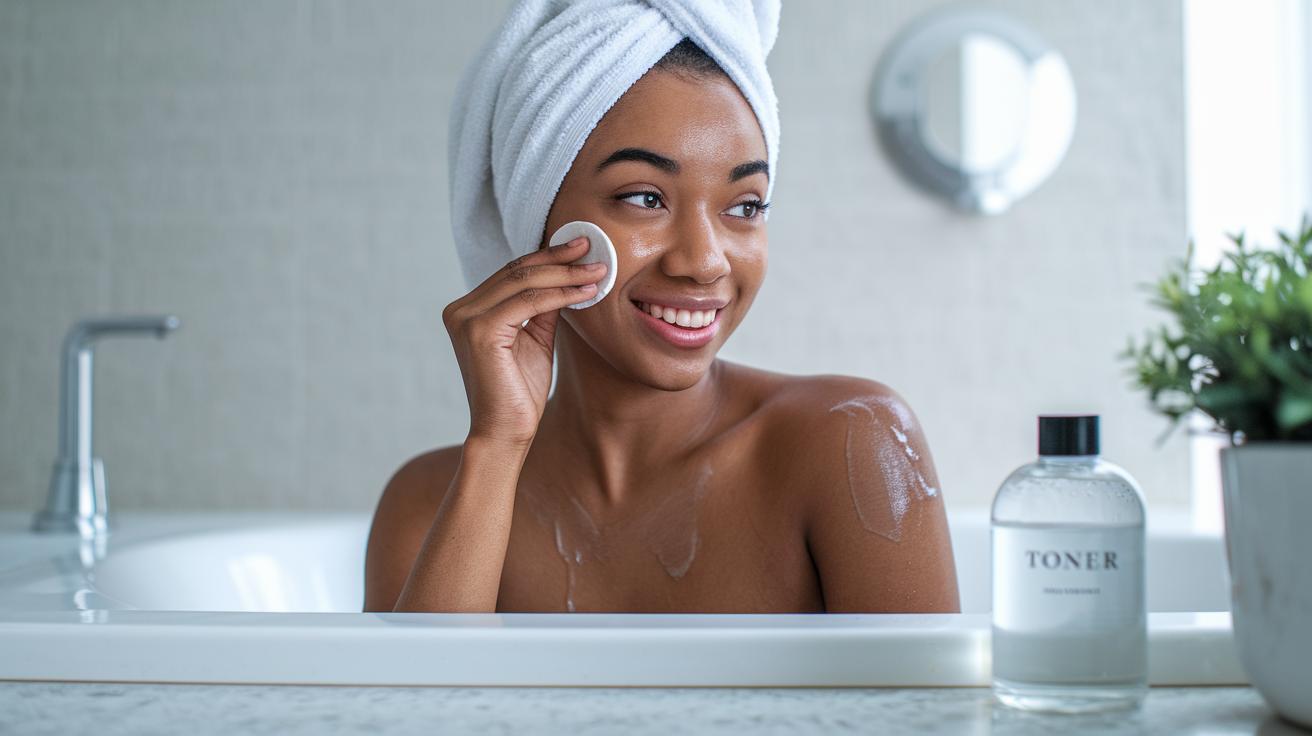
I found a simple K‑beauty trick that gave my skin that 'toink toink' plumpness and glow: layering a light, water‑like toner or essence multiple times (3–7 layers) before any serums or creams. Each thin layer delivers hydration, smooths the skin surface, and preps the skin to absorb subsequent products better. It’s budget-friendly since a decent toner is often cheaper than a dedicated hydrating serum, and it can reduce the need for extra steps. Try it consistently for a few weeks to judge results , patience matters.
How to Layer Toner , Step‑by‑Step Guide

Start with a 'light' toner , think water‑ish texture that spreads easily. Avoid thick gel toners unless you have time to let them sink in. Method: dispense a small amount (or spray), gently pat onto the skin until mostly absorbed, then wait 30–60 seconds before the next thin layer. Repeat 3–7 times depending on comfort and skin response. Two popular approaches are spray-and-pat (fast and low waste) or small pours and patting. Finish layering before serums and creams so active treatments get applied to prepped, hydrated skin.
Who Can Benefit: Skin Types & Immediate Effects
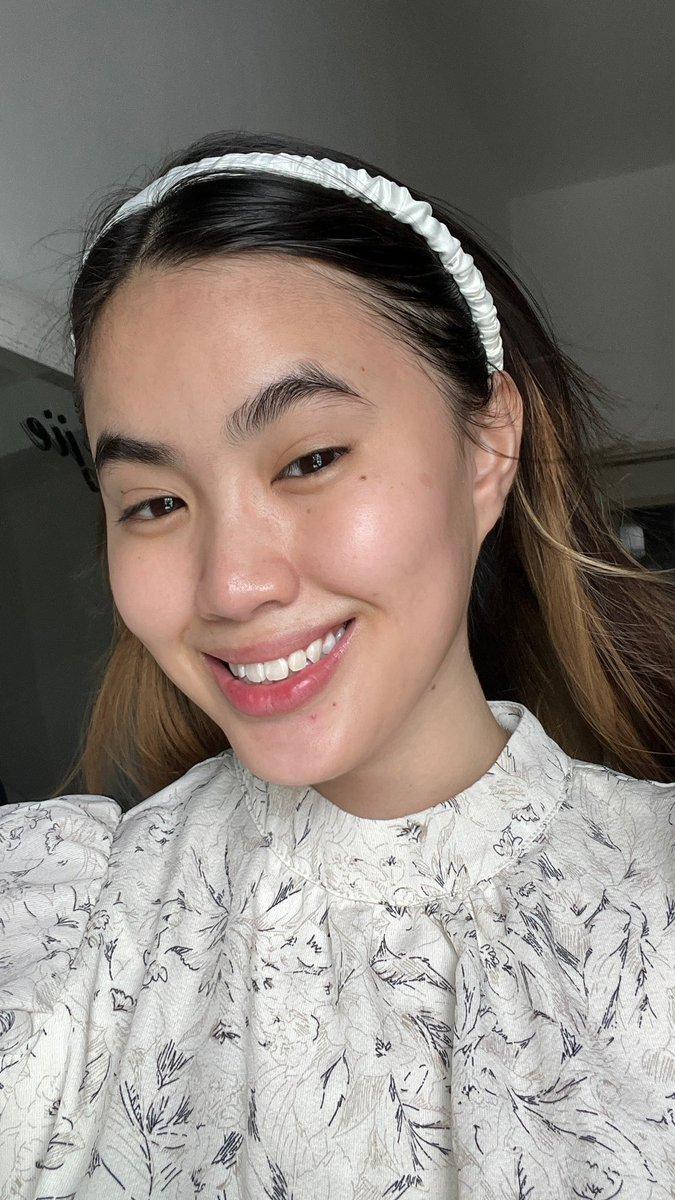
This trick seems versatile , the original poster used it on her dry, dull skin while her husband (oily, acne-prone) also benefited. Layering gives immediate smoothing and hydration: it plumps the surface, blurs the look of pores, and reduces dullness so skin appears healthier and luminous. Ingredient choice matters: humectants like glycerin or hyaluronic acid and soothing extracts are ideal. If your toner is astringent or high in denatured alcohol, layering can be drying. Choose a gentle, hydrating formula for the best results and minimal risk of irritation.
Real Results: Fading Scars & Likelihood to Repurchase
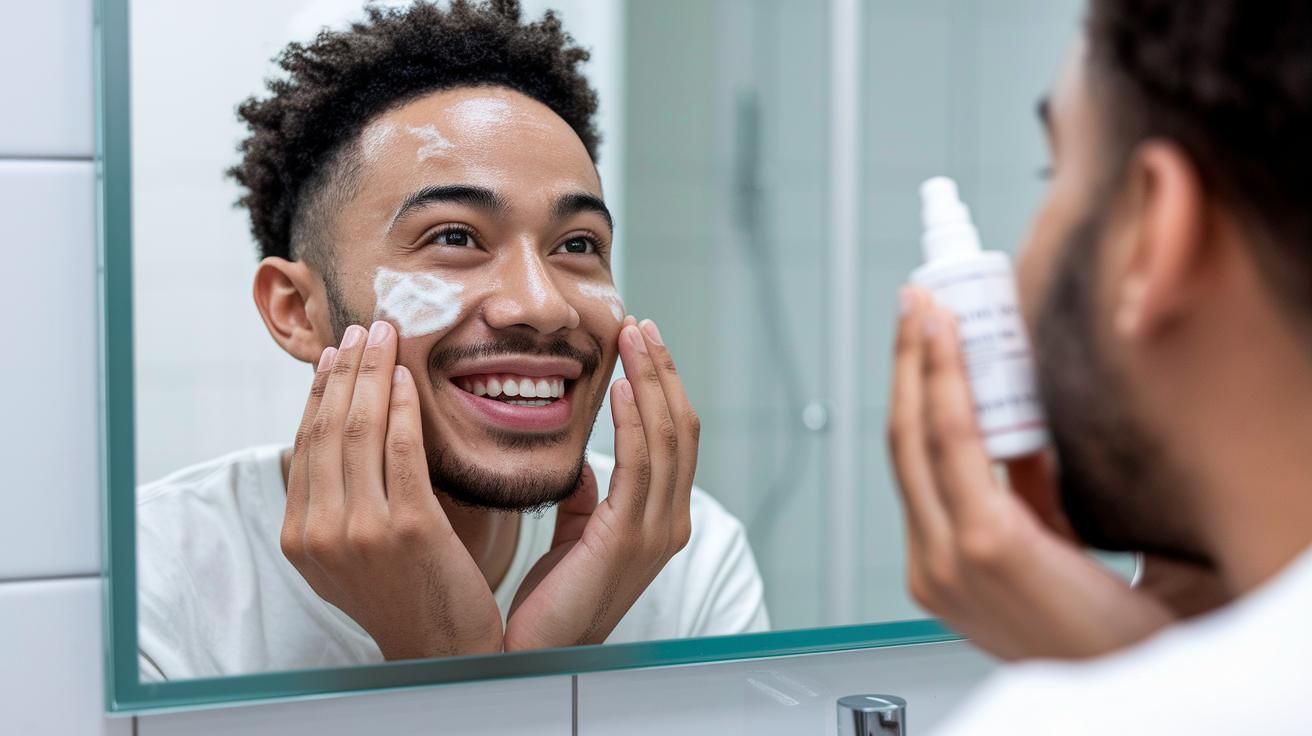
Anecdotally, the poster reported her husband’s acne scars slowly fading and overall complexion improving , and they both shared the same bottle. She rated the product 4.5/5 and said she’ll repurchase, praising the cost-effectiveness for two users. Important context: fading scars takes time and depends on scar type and skin turnover; toner layering helps texture and hydration but is not a substitute for targeted scar treatments like retinoids, professional peels, or laser. Consistency, sun protection, and realistic expectations make the difference.
Possible Downsides & Who Should Be Cautious
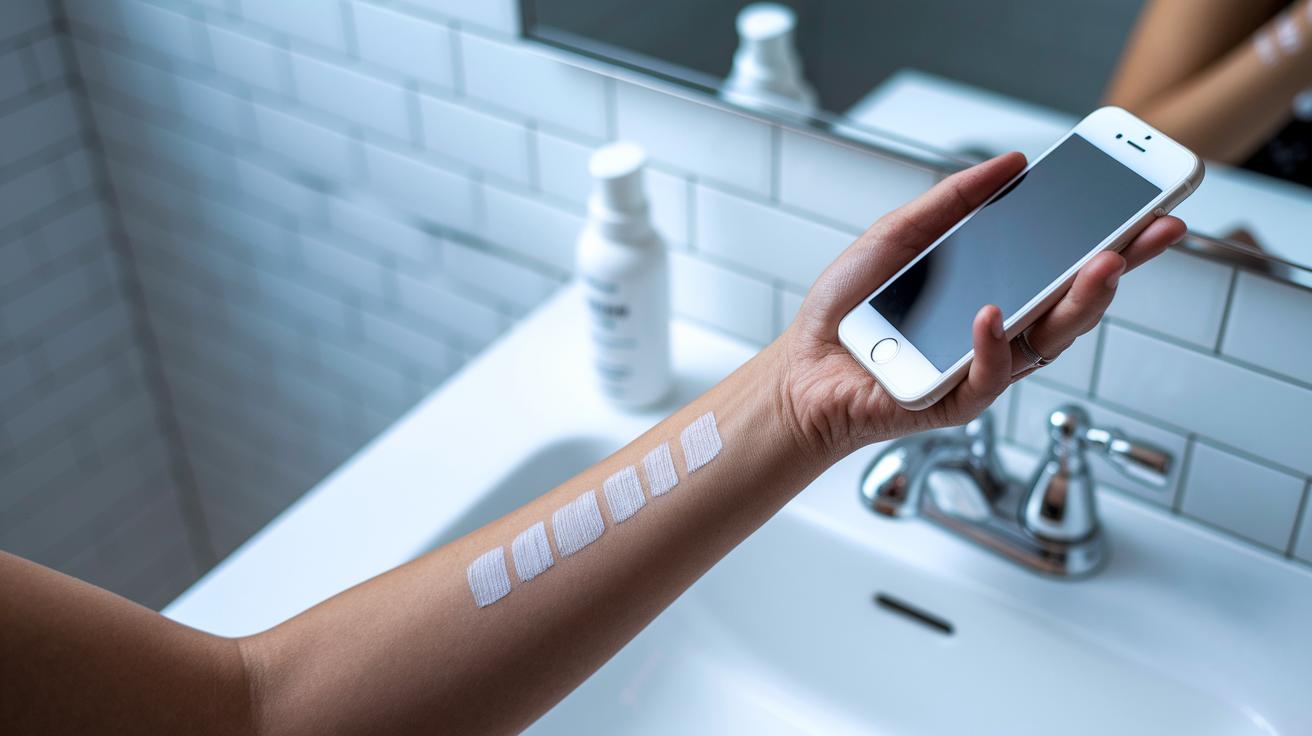
Layering isn’t risk-free. The poster highlighted one clear con: the toner contains witch hazel, which can irritate or trigger allergies in some people. Over-layering can also overwhelm sensitive skin, potentially causing redness, flakiness, or breakouts. If you have eczema, rosacea, or general sensitivity, patch test first or consult a dermatologist. Start conservatively (3 layers) and monitor skin reaction before increasing to 7. If irritation appears, stop layering and reassess product choice. Safety-first avoids setbacks.
Why It's Budget‑Friendly: Skip Expensive Serums
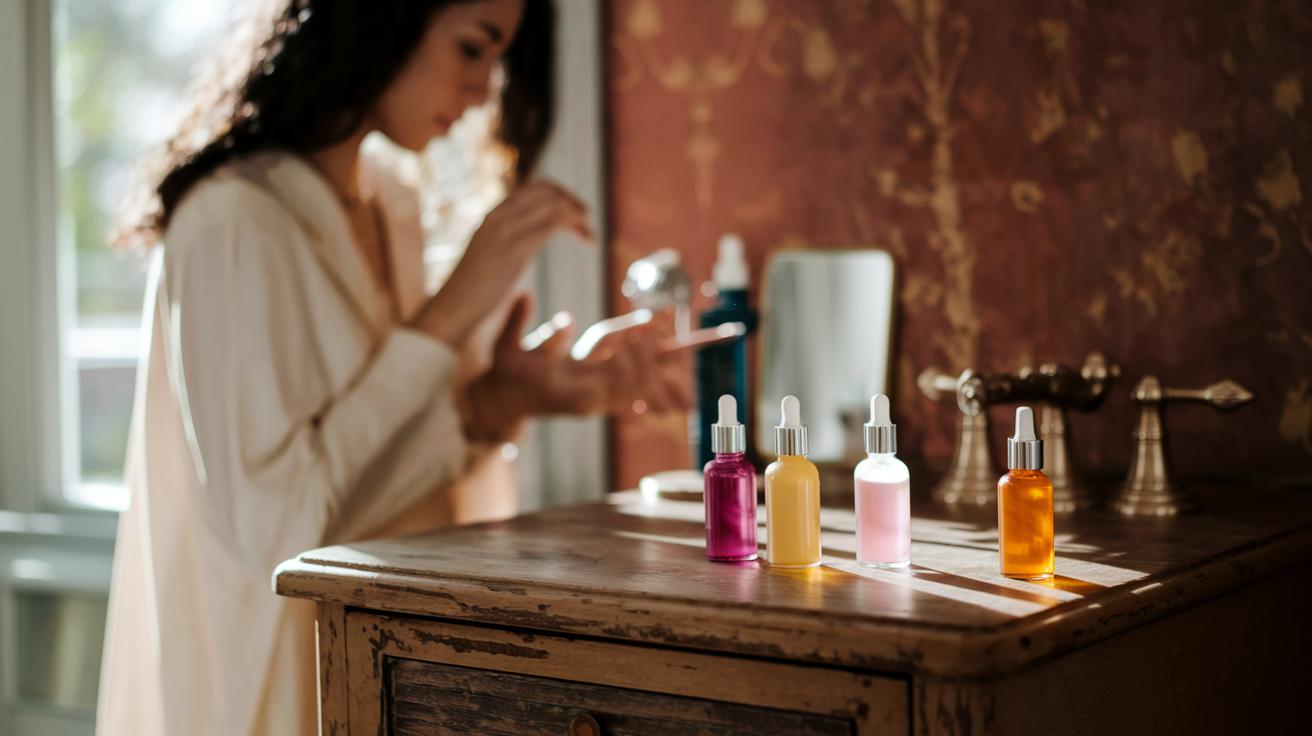
One big perk is cost savings: a hydrating toner is often cheaper than a specialized serum. The poster mentioned she stopped using a hydrating serum and compared costs to a pricey peel she used before (about RM12 per use), so layering felt like a bargain. If your toner contains good humectants, you can achieve noticeable surface hydration and plumpness without the extra serum. Remember: toners hydrate; serums often deliver active ingredients (vitamin C, peptides, retinoids) for long‑term changes. Use layering for hydration, and keep targeted actives where you need them.
What 'Toink Toink' Means , The Plump Factor
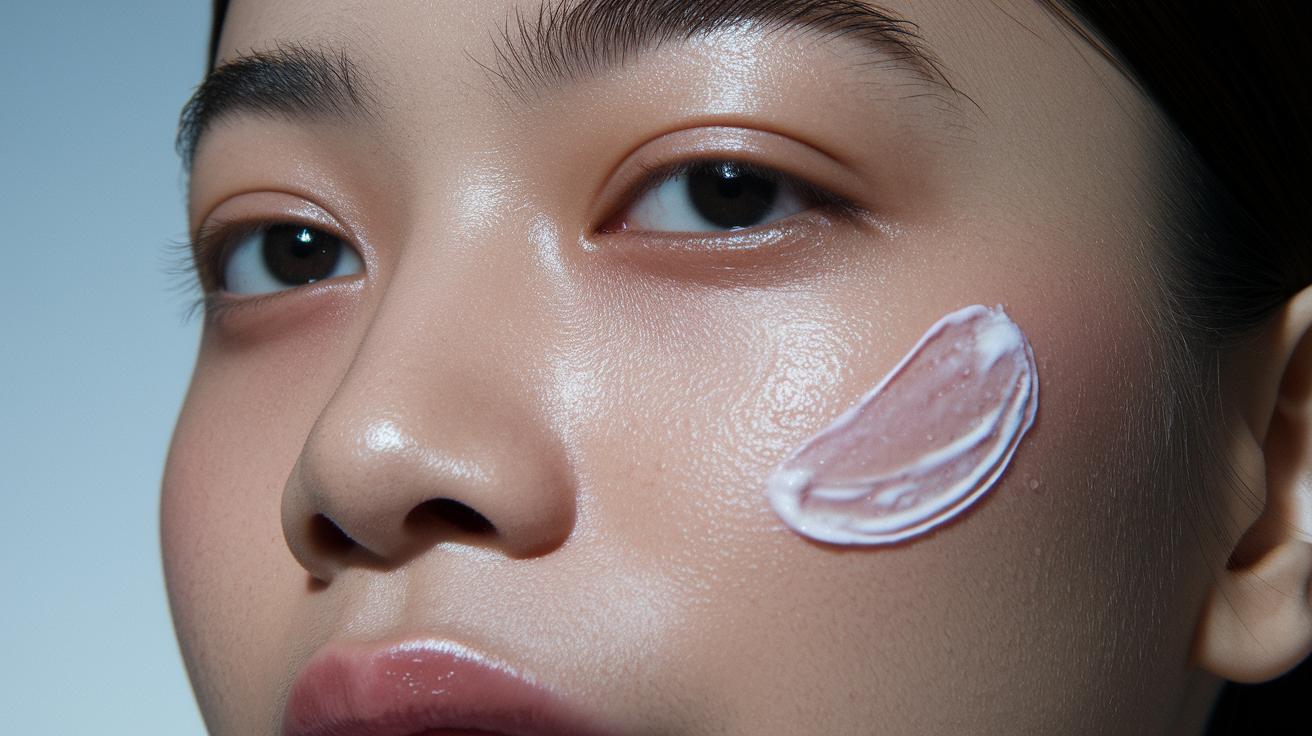
'Toink toink' is playful slang for the bouncy, plump skin feeling after hydration. Layering traps moisture in the skin's outer layer, producing an immediate springy texture and a satisfying tactile bounce. It’s a great pick‑me‑up and looks excellent under makeup, but it’s mostly a surface effect; structural changes (collagen, elasticity) require retinoids, peptides, and sun protection over time. Enjoy the instant plumpness, but pair it with a solid, long‑term routine for deeper improvements.
Technique Tips: Spray, Pat, Repeat , Up to 7 Times
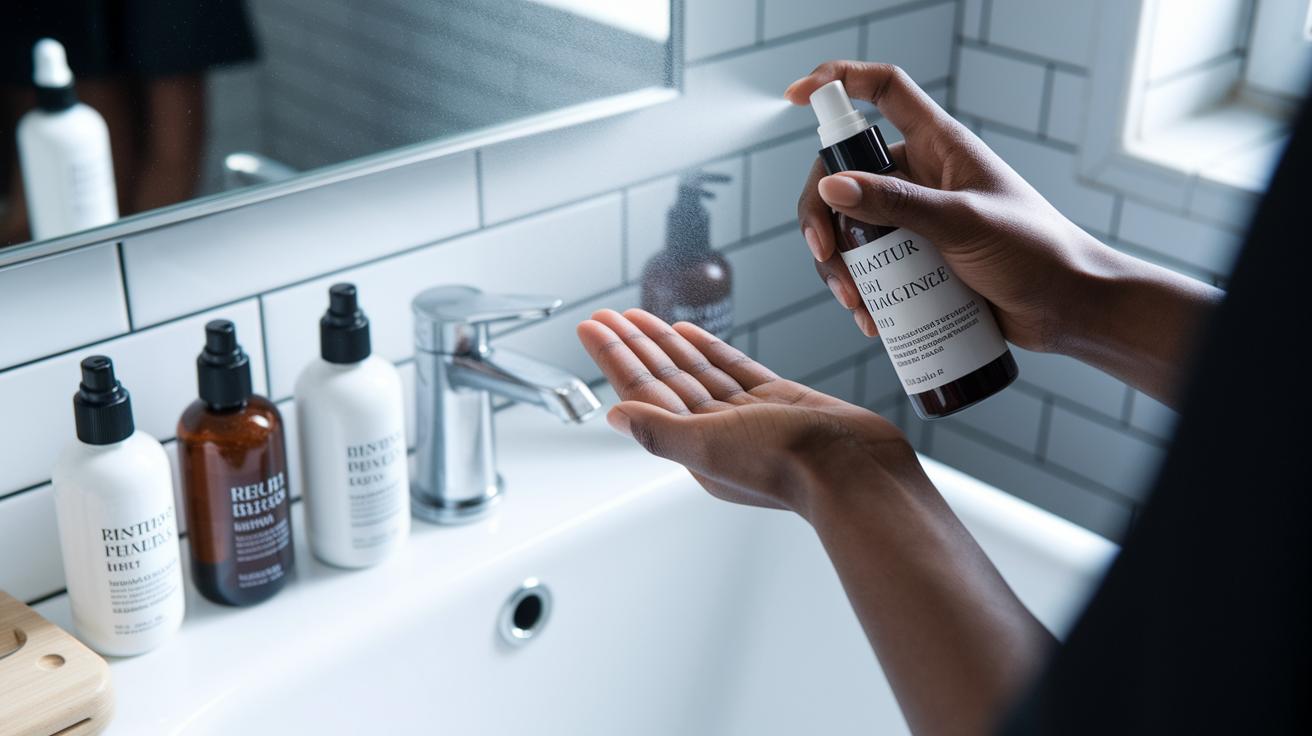
Practical application varies. One follower recommended 'spray, pat, then spray again' up to seven times , an efficient way to layer without wasting product. Spritzing evenly distributes a water‑light formula; patting helps absorption. If you're pouring, use tiny amounts so skin doesn’t stay too wet. Allow 30–60 seconds between layers for absorption. Start with three layers as a trial and increase if tolerated. On makeup days, fewer layers reduce the chance of pilling. Keep hands clean to avoid transferring bacteria during patting.
Best Time to Do It: Night Routine Recommendation

A user suggested doing this layering routine at night , smart advice. Nighttime application gives the skin repair cycle a chance to work while products sink in, and it avoids mixing with daytime actives or sunscreen that might pill. Also, some ingredients can be photosensitive, so evening is safer. That said, light, non-sticky layers can work in the morning if you let them set before makeup. New users should try it at night for a week to monitor tolerance before bringing it into daytime routines.

