
Emily Ratajkowski’s red carpet pick tried to walk a nimble line between daring and discreet — and ended up muddled. The gown paired lace panels with heavy blocks of solid black fabric placed over both the bust and the lower torso, effectively concealing the very zones the 'nude' dress code intended to highlight. That deliberate blackout makes the outfit feel more like a compromise than a choice: it signals she knew the brief but opted to obscure it. The peekaboo of skin through lace reads as a calculated wink rather than bold fashion, resulting in a look that frustrates more than it flatters.
Emily Ratajkowski: Half-Measure That Backfired
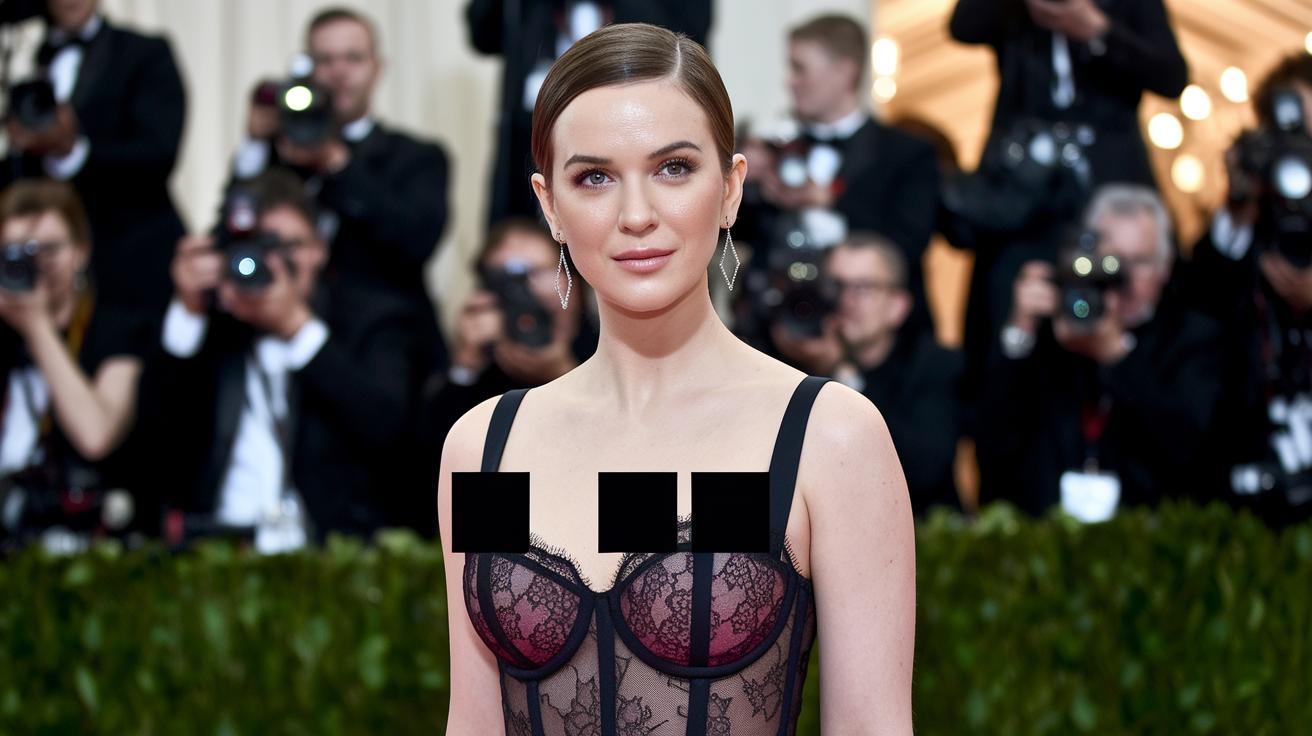
Emily Ratajkowski’s red carpet pick tried to walk a nimble line between daring and discreet , and ended up muddled. The gown paired lace panels with heavy blocks of solid black fabric placed over both the bust and the lower torso, effectively concealing the very zones the 'nude' dress code intended to highlight. That deliberate blackout makes the outfit feel more like a compromise than a choice: it signals she knew the brief but opted to obscure it. The peekaboo of skin through lace reads as a calculated wink rather than bold fashion, resulting in a look that frustrates more than it flatters.
Louisa Jacobson: Patterned Fabric Pulls Her Off Course
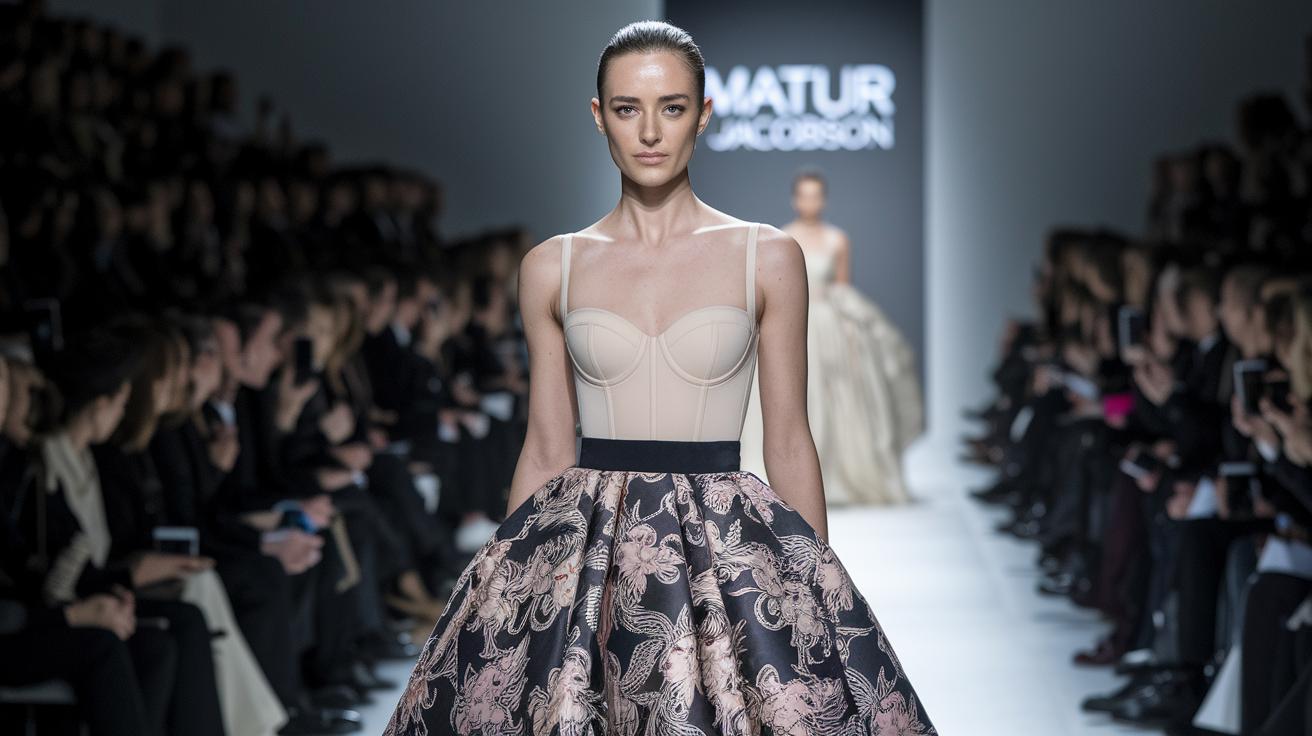
Actress Louisa Jacobson made a partial play at the 'nude' brief but undermined it with overpatterning. While she leaves her chest pieces visible , a clear gesture toward the assignment , the addition of patterned fabric around the lower half disrupts the illusion of bare skin. Instead of blending into a second-skin effect, the print becomes the eye-catcher, turning attention to craftsmanship rather than the body. That misstep shifts the look from subtle daring to mixed signals: you can see she meant to participate, but the pattern pulls the narrative away from nudity and toward traditional eveningwear ornamentation.
Elizabeth Hurley: Sparkle Overkill
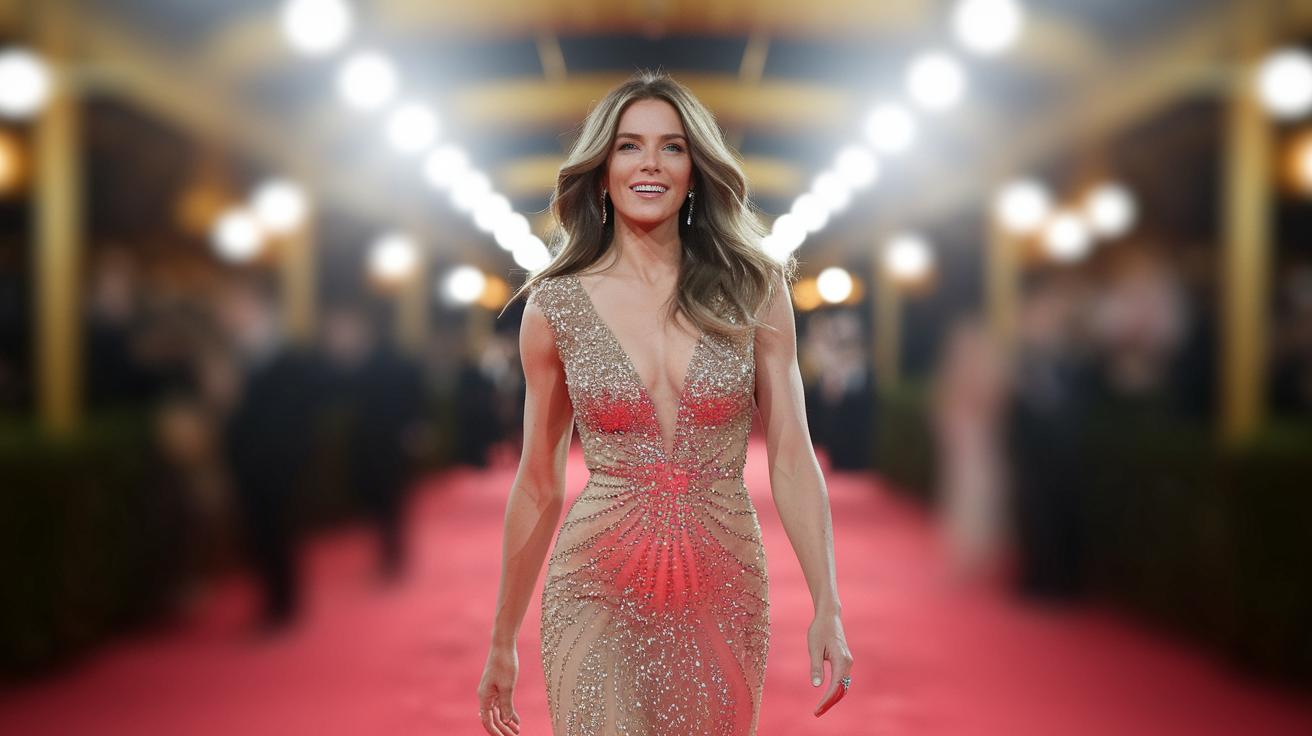
Elizabeth Hurley’s choice relied on old Hollywood sparkle, but here it crowded out the point of a 'nude' dress code. The gown bristles with sequins and embellishment; while patches of skin are visible, the proliferation of shine reads more like showpiece costuming than a second-skin reveal. Over-embellishment can overwhelm the body and draw attention away from bare contours; Hurley’s look risks that exact outcome. The wardrobe certainly made a statement, but not the one the theme invited. A pared-back approach , far fewer sparkles, cleaner lines , would have balanced glamour with the brief's intended transparency.
Leslie Bibb: Adherence That Erased the Effect
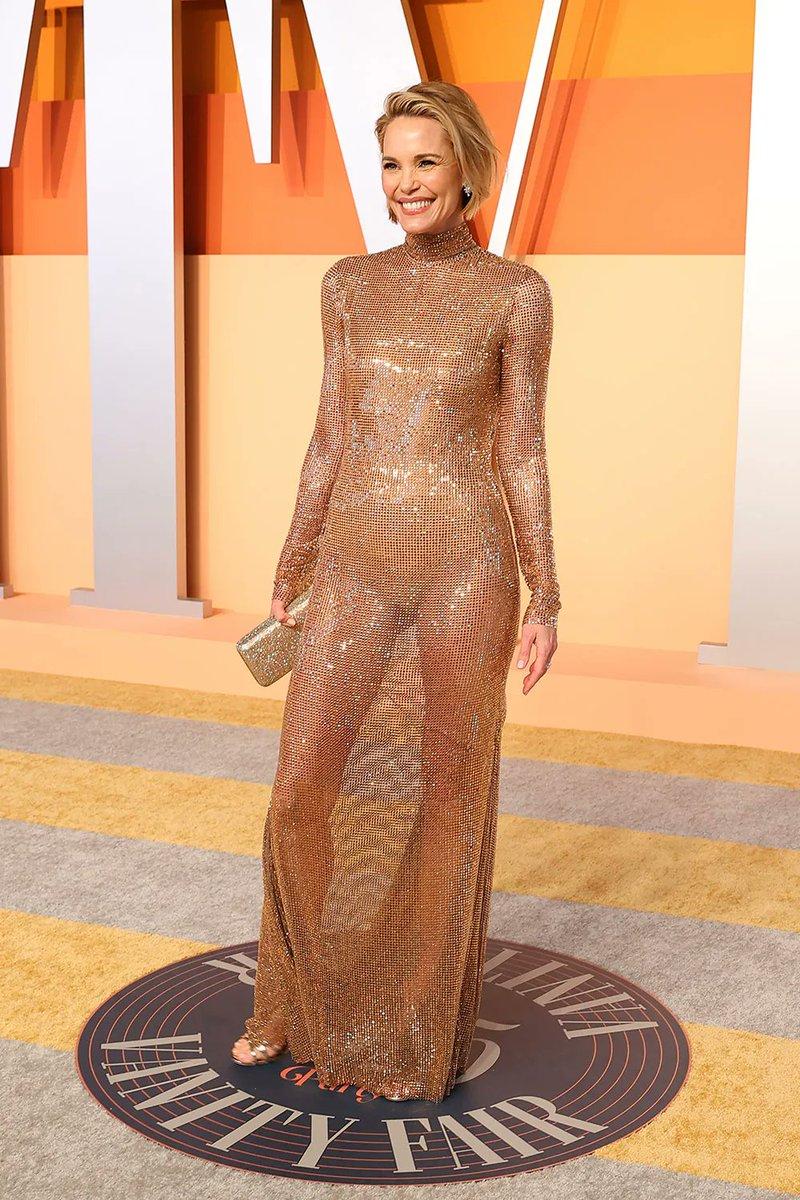
Leslie Bibb’s costume read like a faithful attempt to honor the 'nude' guideline, but it ultimately neutralized the look. The gown is carefully lined and paired with nude-colored undergarments that minimize contrast, rendering the effect tidy but uninspired. She clearly intended to follow the brief, and the result is polished and seamless , yet it doesn’t deliver the point-of-the-brief visual tension. When underpinnings are indistinguishable from skin, the drama collapses into classical formalwear. For those aiming to genuinely embody a 'nude' concept, sometimes daring construction choices , less lining, strategic adhesives, or illusion mesh , are what keep the idea alive.
Ciara: Nicely Executed, But Over-Cautious
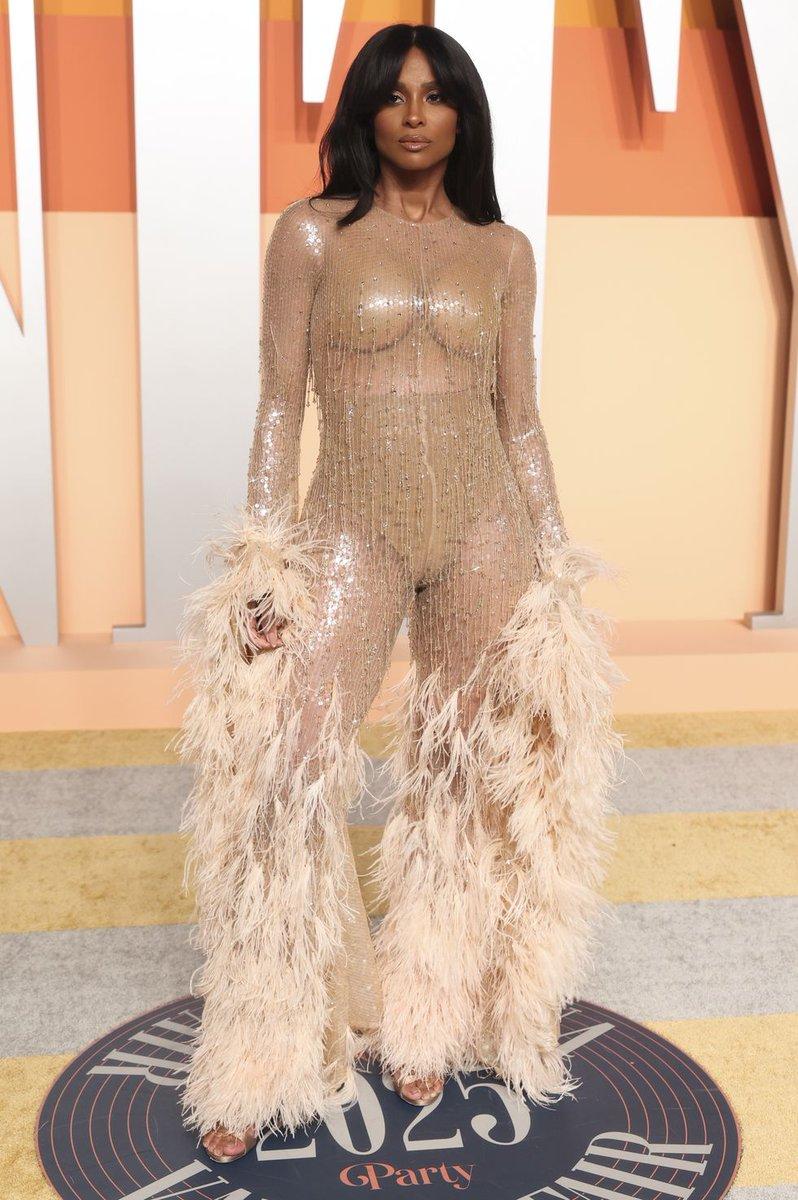
Ciara’s look demonstrates respect for the brief but falls short of its theatrical potential. As with a few other attendees, she relied on nude undergarments that, while sensible for support, close off the optical play the 'nude' code sought to create. The outfit reads polished and tasteful, a safe choice for a major awards night, yet it doesn’t provoke or surprise. For artists like Ciara who balance performance poise with fashion risk, modern tailoring tricks , invisible cups, body tape, and bonded tulle , offer ways to preserve comfort without erasing the underlying concept. With small construction changes, this could have been more daring.
Doja Cat: Winking Subversion with Trompe l’Oeil
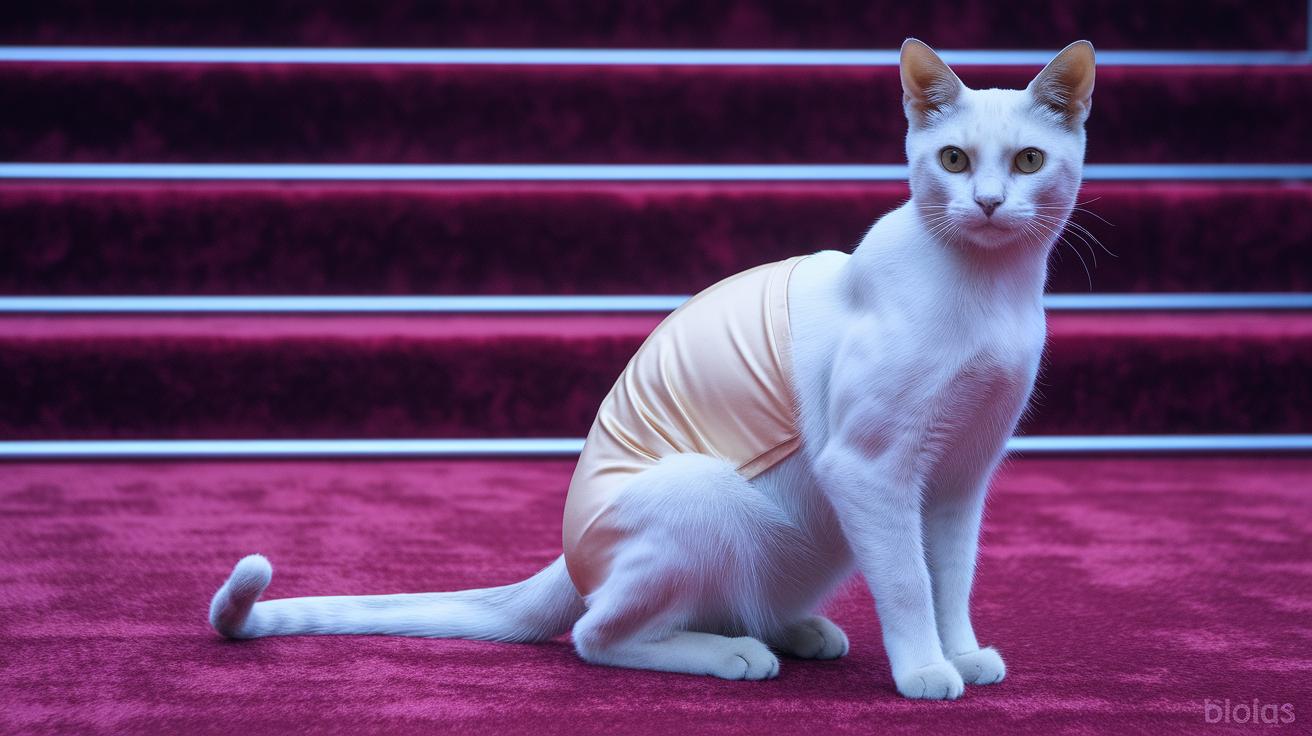
Doja Cat’s ensemble took a provocative, theatrical route: instead of revealing her body, she donned a printed illusion of a naked form beneath heavy embellishment. This trompe l’oeil approach feels like a deliberate, smartly cheeky defiance , she knows the assignment and opts to comment on it rather than comply. It reads as editorial and playful, turning a dress code into a piece of costume theater. Some will praise the conceptual move for cleverness; others will see it as undermining the spirit of the brief. Either way, it’s an example of how a star can control the narrative through tongue-in-cheek sartorial choices.
Bianca Censori: What Might Have Been
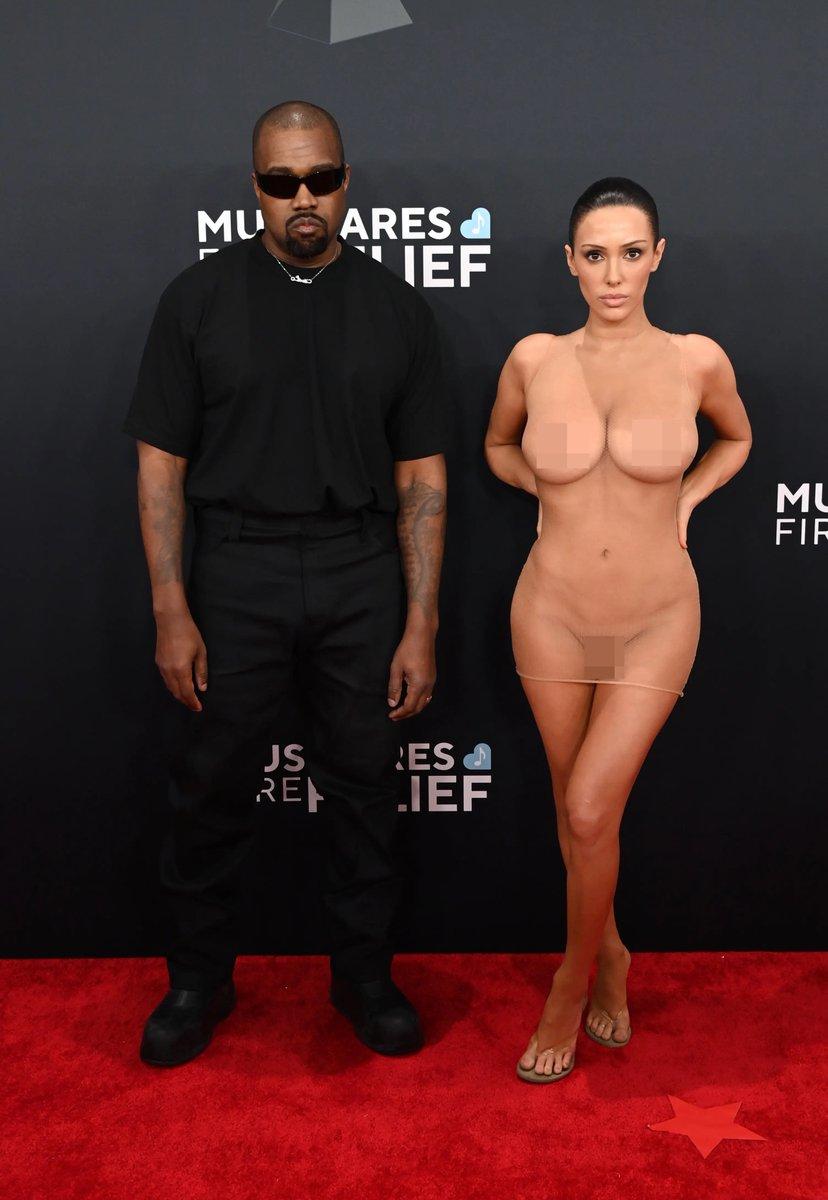
The thread closes by imagining what Bianca Censori would have contributed. Known for boundary-pushing looks and fearless silhouettes, Censori likely would have embraced the 'nude' brief with purposeful engineering that blends exposure and structure. Her aesthetic tends to favor uncompromising statements, so her presence might have delivered a clear, definitive interpretation instead of these half-measures. Whether one loves that approach or not, it would have shifted the conversation: rather than guessing whether a look attempted the theme, we would have seen a bold, decisive reading that left little room for ambiguity.

