
Ever wondered if the warm analog vibe makes your track feel more soulful compared to digital’s crisp precision? It’s like picking between a handwritten note that feels extra personal or a quick text that gets straight to the point. Many old-school producers love analog for its natural, lived-in sound, while digital keeps every beat sharp and super easy to tweak. In this post, we dive into both methods and show you how each can completely transform your music. Which one speaks to your creative heart?
Core Comparison of Digital vs Analog Production of Hot Tracks
Analog production is all about that classic tape vibe. Think of old-school magnetic tapes capturing every peak and dip of your favorite tune. For example, cassette tapes and reel-to-reel systems record at speeds like 15 or 30 ips, and each fluctuation gives your track its own unique flavor. Fun fact: Legendary producers still swear by the warm nuances of analog tape to inject soul into their recordings. It brings a rich, tactile feel that digital setups often try to mimic.
On the flip side, digital production turns everything into a computerized craft. Here, sounds are transformed into binary magic using analog-to-digital converters (ADCs) that lock in sampling rates and bit depths. Imagine a moment in a pop hit session where a producer instantly recalls the perfect settings from a previous smash, digital makes that possible with endless tracks, easy storage, and editing without any worries.
So, how do you decide which path to take? It really boils down to what you're aiming for with your sound, your workflow vibe, how you handle post-production, your budget, and your timeline. Analog gives you that natural, warm imperfection, while digital offers a crisp, clean consistency. At the end of the day, it’s less about picking one method over the other and more about matching your artistic vision with the right tools to bring your project to life.
Technical Foundations: Analog Signal Flow vs Digital Audio Conversion Methods

Remember when recording studios relied on analog tape systems? Back in the day, engineers carefully chose tape speeds and widths, think 15 ips with 1/4" tape, to create a warm, textured sound. It’s like those 1960s studios that used tape’s gentle saturation to give soulful ballads an unforgettable vibe.
Analog capture is all about catching sound in its most natural form. It records the continuous ups and downs of sound waves, preserving all those subtle overtones and nuances that add a real, organic feel to a track. Many producers love this natural quality when they mix their music.
Switching gears, digital conversion changes sound into binary data using analog-to-digital converters (ADCs). These devices sample audio at rates ranging from 44.1 to 192 kHz and bit depths from 16 to 24 bits, capturing every detail with precision. Imagine millions of tiny data points creating an exact portrait of your favorite beat; that’s the magic of digital ADCs.
Even though digital methods are perfect for quick, precise edits, analog techniques still shine when it comes to live performance recordings. The natural compression and character from tape can add a unique warmth that digital just can’t replicate.
Workflow Dynamics: Tape-Based Production and Hands-On Mixing vs DAW Efficiency for Hot Tracks
Analog setups are like a hands-on jam session, you commit every move because there's no magic "undo" button. When you're recording on tape, every sound counts; producers have to carefully set up mics, tweak EQs, and adjust compressors the old-fashioned way using physical consoles. Once the tape is rolling, every decision is locked in, turning the session into a real test of skill and creativity.
On the flip side, digital workstations open up a whole new way to experiment because you can make changes on the fly. Imagine having endless tracks at your fingertips with non-destructive editing options so you can try out different mixes without fear. It’s like playing in a creative sandbox where every take can be perfectly stitched together. Modern studios now rely on DAWs that make session management a breeze with file-based archiving. Plus, with MIDI automation and preset plugins, a single click can transform a mix, letting you dive into experimentation without the pressure of permanent mistakes.
While the tangible feel of a tape machine gives a session a unique, raw vibe, digital mixers let you rework things as much as you need without losing a beat. This difference between physical tapes and file-based sessions changes everything, from how you set up your sound to the overall mixing strategy, tailoring the production process to match both creative passion and smart efficiency.
Sonic Qualities: Exploring Warm Timbral Texture vs Crystal Clarity in Hit Production
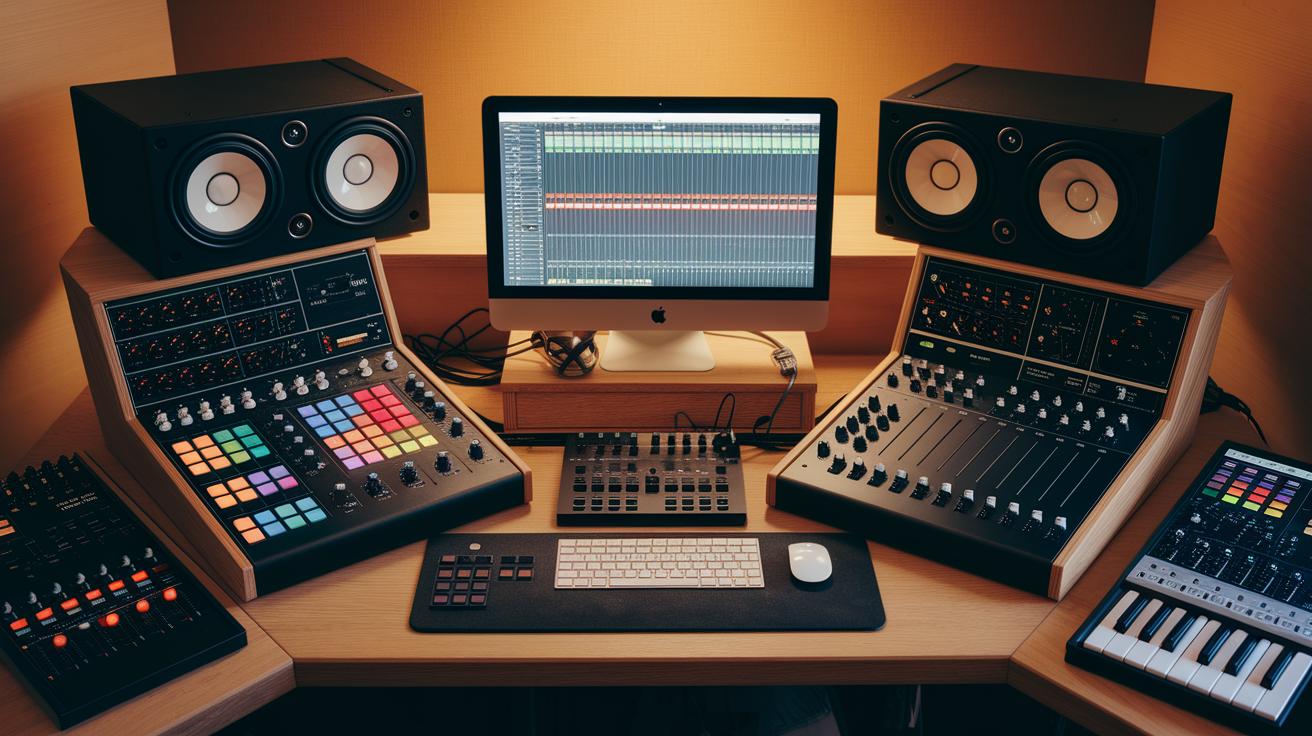
Ever wondered how a track gets that unique vibe by blending old-school warmth with crisp digital clarity? Instead of just choosing between a vintage feel or a modern sound, mixing decisions shape the track’s whole personality. Before topping the charts, producer Mark mixed analog guitar recordings with shiny, digital percussion, creating a one-of-a-kind sound that grabbed everyone's attention.
Mix engineers love using analog gear on certain instruments to keep those natural, expressive details alive. Think about it: a rock track might run guitars through tape-saturated preamps to give them a gritty, heartfelt character, while the drums get a clean, defined digital treatment. It creates a magical balance where energy and detail come together without stepping on each other’s toes.
Producers also love playing with techniques like parallel processing. They mix analog signals with their digital counterparts to capture the best of both worlds. For example, a hip-hop beat might feature a warm, analog bassline paired with a digitally crisp synth. Such choices push creative boundaries and let every instrument shine in its own cool way.
| Mixing Choice | Analog Advantage | Digital Edge |
|---|---|---|
| Guitar | Rich, organic texture from tape saturation | Clear editing for precise timing |
| Drums | Natural compression and warmth | Clean transient response and control |
These insights show that creative mixing is all about blending techniques to match the vibe of different musical styles and visions. It’s like curating your personal playlist, each choice adds up to a track that feels fresh, exciting, and totally unique!
Cost and Maintenance: Analog Gear Investments and Upkeep vs Digital Tool Affordability
If you're diving into analog studios, be ready for a pricey ride. Top-notch tape machines, vintage consoles, and unique hardware can hit hard on your budget from day one. And it doesn’t end there, ongoing costs like tape stock, regular calibration, and repairs can add up fast. Think of it like this: old tape decks need extra care because their magnetic tape wears out over time, making maintenance a real challenge.
On the flip side, digital production is much gentler on your wallet. Digital plugins and DAWs come at a lower upfront cost and enjoy regular updates that boost their performance without extra fees. Plus, storing your digital files is a breeze on affordable drives, which keeps long-term maintenance costs way down. No wonder many indie producers lean towards all-digital setups, they get to funnel more resources into fresh creative projects instead of constant gear repairs.
In the end, it all comes down to balancing your investment with your creative goals. When you stack up analog’s high upkeep against digital’s budget-friendly perks, the choice might just become a little clearer.
Hybrid Production Approaches: Merging Analog Warmth with Digital Precision for Contemporary Hits

Top studios these days love mixing the best of old-school charm with modern tech. Many producers start in a digital audio workstation (DAW) and then send parts of the project through classic analog gear like preamps or tape machines. For example, one producer shared, “I recorded my guitar in the DAW, sent it through a vintage tape machine for warmth, and then brought it back in for editing.” This flair for combining analog vibe and digital accuracy gives tracks a natural feel with room for precise tweaks.
Analog summing using classic consoles adds subtle character with its unique quirks, while digital summing offers consistent, clean sound that you can easily recall. By integrating analog tools, think plate reverbs and compressors, with high-quality interfaces into digital sessions, you get a one-of-a-kind sonic mix. This blend of old and new is like having your cake and eating it too, balancing the thrill of natural sound with the control of modern editing.
In truth, hybrid workflows preserve the lively spirit of analog recording while giving you the freedom to polish and perfect every detail. Try experimenting with different summing techniques to create sounds that feel both timeless and cutting-edge, giving you that ideal mix of warmth and modern clarity.
Industry Trends and Future Outlook: Evolving Studio Techniques and Vintage Gear Resurgence
Producers are blending the best of both worlds to craft tracks that feel fresh and daring. Back in the day, techno pioneers rocked analog synths, and now artists mix that vintage hardware vibe with modern digital workstations and cool plugins. It’s like having the warmth of the past in perfect sync with today’s digital precision.
AI-powered mastering is changing the game by giving songs a crisp finish while keeping their unique character. And with cloud collaboration, musicians can jam together from anywhere, imagine recording a killer beat with a buddy miles away, yet feeling like you're in the same room.
On top of that, next-gen production software now offers vintage circuit emulations that capture the familiar tape warmth and tube glow. These digital tools let artists enjoy the charm of analog gear without the extra upkeep, which is why more boutique studios and indie creators are turning to classic consoles and modules for that authentic, hands-on vibe.
This mix of old-school flair and modern tech not only honors classic sounds but also opens up a world of new creative possibilities. One producer even said, "I captured the perfect tape warmth using a vintage circuit emulation plugin, and then instantly fine-tuned the mix with my digital workstation." It’s a brilliant blend that paves the way for the next generation of hot tracks.
Final Words
in the action, we covered how analog and digital setups each bring their own flavor to creating hot tracks. We explored everything from technical signal flow and workflow dynamics to their unique sonic qualities and budget differences. This overview of comparing digital vs analog production of hot tracks shows you that the right choice depends on your goals. Hybrid approaches even mix the best of both worlds for even cooler outcomes. It’s all about creativity that keeps growing and inspiring new hit sounds.
FAQ
How do digital vs analog production methods compare for hot tracks as discussed on Reddit?
The digital approach provides endless editing possibilities and high fidelity, while analog offers unique warmth and character through natural hardware quirks. Your choice depends on creative goals and sound preferences.
How does digital vs analog audio output differ?
The digital output delivers clean, precise recordings with advanced sampling, whereas analog output offers a naturally smooth, warm sound shaped by tape speed and hardware textures.
How do analog and digital recording systems compare in sound quality?
Analog systems create warm, organic textures with subtle imperfections from continuous signal fluctuations, while digital systems capture detailed, clear audio using high-resolution conversion methods.
What are the pros and cons of analog vs digital recording?
Analog recording delivers vintage charm and tactile warmth but limits editing flexibility, whereas digital recording provides non-destructive editing and high clarity, making it ideal for precise, modern production needs.
Does analog or digital recording require less space?
Digital setups typically take up less space, as they rely on compact computer workstations and interfaces instead of bulky tape machines and extensive physical equipment.
Which recording technology is more accurate, analog or digital?
Digital recording is generally more accurate due to precise sampling and resolution, while analog captures sound in a way that emphasizes musical warmth and character through its natural distortions.

