
Ever wonder why a song can feel like a thrilling rollercoaster ride? Picture a track buzzing with energy and fast beats that get your feet tapping and a smile spreading across your face. In music lingo, words like Allegro and Vivace point to quick, energetic rhythms that mix clear beats with loads of feeling. We’re diving into how these speedy tempos add a burst of excitement, totally changing your experience of a tune. Stick with us to see how lively beats truly bring your favorite music to life.
Understanding Fast in Musical Terms
Fast in music simply means playing with a lively, energetic feel. When a composer marks a piece as fast, they're setting the scene for something vibrant and dynamic. Often, you'll see Italian terms like Allegro used, which basically means cheerful and bright. Typically, Allegro sticks to a range of about 120–168 beats per minute, giving musicians a solid guide while still leaving some room to play with the vibe.
Sometimes, composers mix descriptive words with clear BPM numbers. Imagine a section labeled Allegro with an added note of roughly 140 BPM, the mood and the measurement come together. You might also run into French phrases like "au mouvement" or even the occasional German term like "kraftig," but it's mostly the Italian words that steal the show. Fun fact: Before going full blast, many musicians dial their metronomes about 20 BPM lower to lock in control before hitting the exact tempo. This blend of precise numbers and evocative language makes every fast part both technically on-point and emotionally charged, kind of like the rush you get at a live concert.
fast in music terms: Enjoy Lively Rhythms
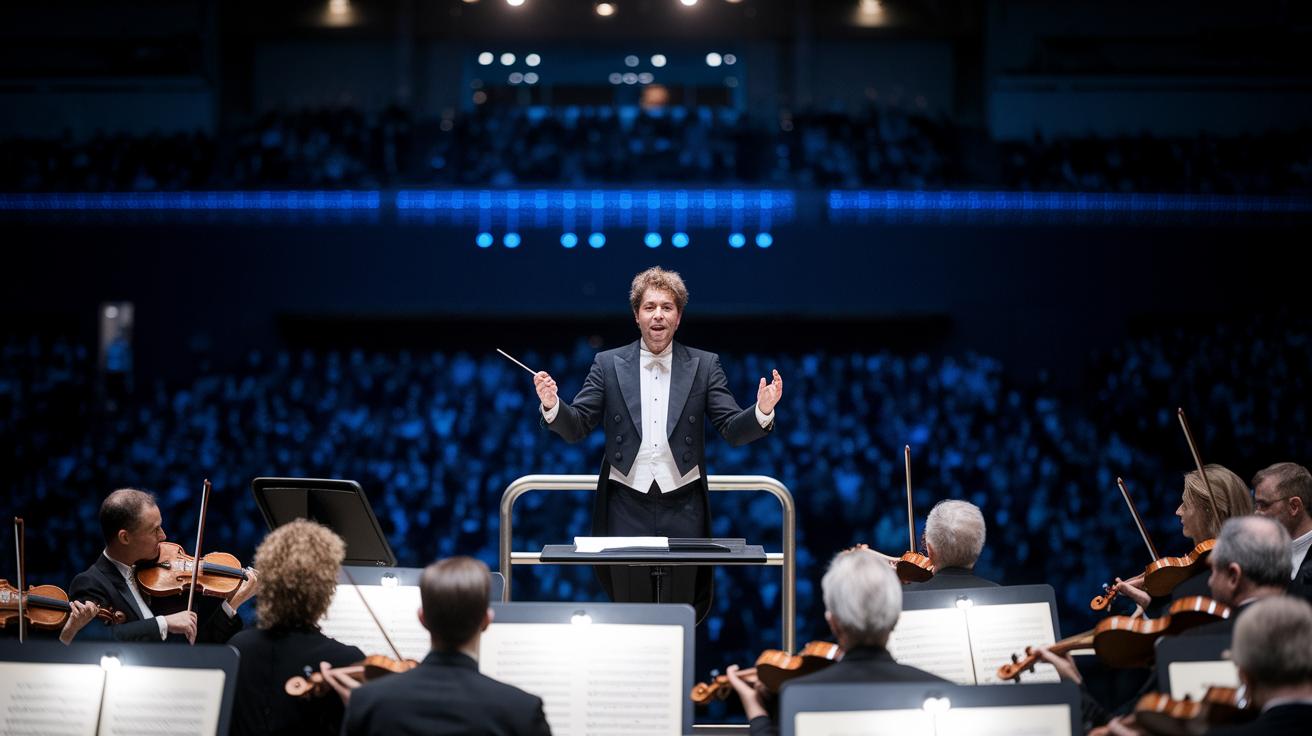
Imagine your favorite catchy song charged with a secret burst of energy measured in beats per minute. Italian music gives us fun, simple terms that tell you exactly how lively or dramatic a piece should be. Take Allegro, for example, it brings to mind a bright, cheerful vibe that lands between 120 and 168 beats per minute, giving you that perfect mix of pep and emotion.
Then there’s Vivace, a term that simply means lively and fast, while Vivacissimo cranks things up to an even more energetic level. And when you see Presto, think of rapid, spirited movement with speeds between 168 and 200 BPM. Prestissimo goes even further, signaling an incredibly fast pace, over 200 BPM. It’s like saying, “Get ready to feel the rush!” Imagine your favorite upbeat track that lights up a room at exactly 150 BPM.
| Tempo Marking | Meaning | BPM Range |
|---|---|---|
| Allegro | Cheerful, bright | 120–168 |
| Vivace | Lively, fast | ≈156–176 |
| Presto | Fast | 168–200 |
| Vivacissimo | Very lively | ≈168–176+ |
| Prestissimo | Extremely fast | >200 |
Adding to the mix, French and German musical directions throw in an extra twist. French phrases like au mouvement hint at a flowing, energetic performance, while German terms such as kraftig offer a bold and vigorous vibe. Think of these as unique spices that let performers add their own creative flair to the music, much like customizing a favorite dish with a dash of hot sauce.
BPM Ranges That Define Fast Tempo
When you measure BPM, you’re not just counting beats; you're setting the mood for the whole show. It helps conductors fine-tune every nuance, giving each performance its own special vibe.
Allegro beats go from 120 to 168 BPM, and Presto kicks it up between 168 and 200 BPM. For instance, a conductor might choose around 165 BPM during an Allegro part to create that energetic, happy feel.
Choosing the right BPM is all about matching the music’s style with the emotion you want to share. Conductors often play around with different tempos in rehearsals, searching for the perfect pulse, just like settling on 170 BPM to bring out the spirited drive in a run.
Fast Tempo Change Techniques in Music
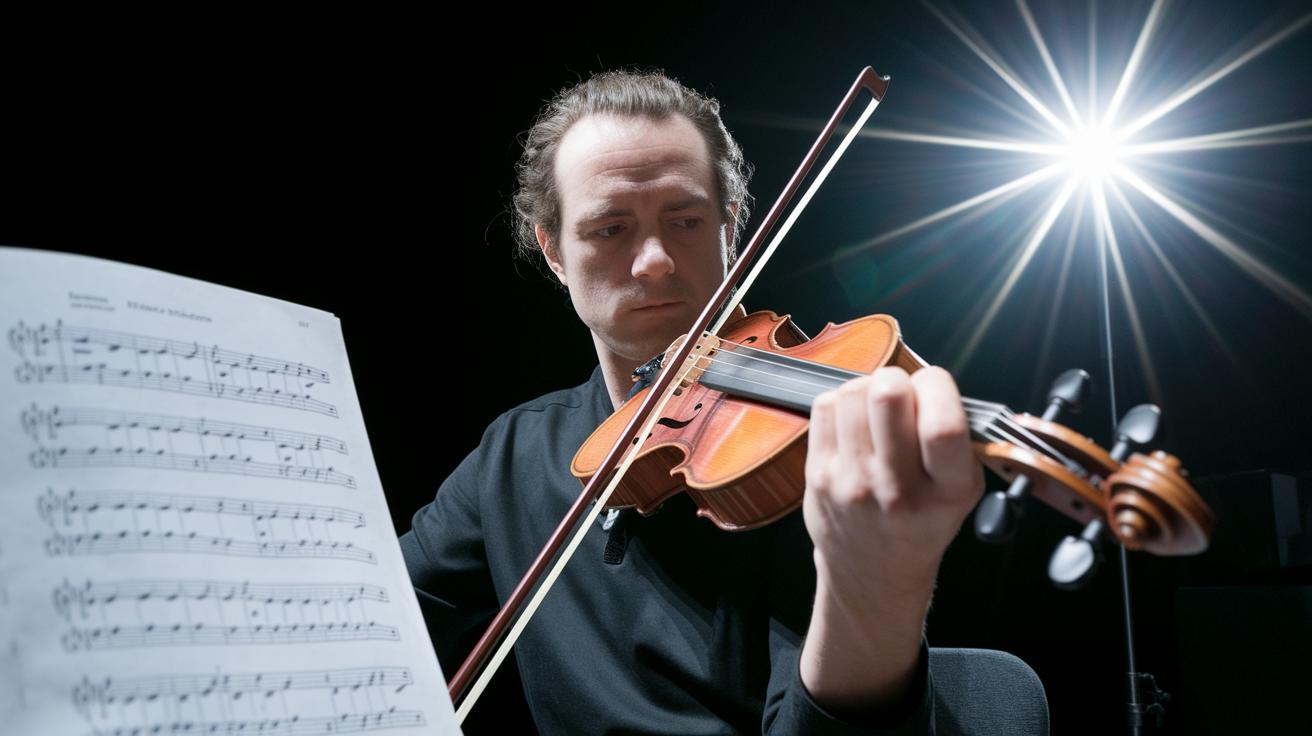
When composers want to amp up a song, they give performers clear hints to naturally speed things up. It’s a smooth nudge that shifts the pace while keeping the music feeling true and expressive.
Accelerando (Accel.)
Accelerando means the music gently picks up speed over time. It’s like watching a quiet scene slowly burst into a lively moment, with each note flowing perfectly into the next. Imagine a calm stream that gradually turns into a sparkling, energetic river.
Stringendo
Stringendo tells musicians to tighten the beat a bit, packing the notes closer together. It’s kind of like a runner suddenly finding that extra burst of speed, making everything feel more focused and rhythmic.
Precipitando / Affrettando
These directions push for a rapid, almost urgent speed-up. Think of a sudden dash in your favorite thriller movie, everything speeds up in a heartbeat, adding a rush of excitement and intensity.
Più Mosso / Moto
Meaning “more motion,” this cue invites a bolder, more animated pace. It’s like breaking into a dance where every step makes the beat jump with energy, all while keeping the musical story smooth and connected.
Doppio Movimento
This one doubles the pace, cranking the energy up significantly. It’s basically like switching your favorite jam into turbo mode; everything feels twice as exciting.
Stretto
Stretto layers multiple voices or parts so their entries overlap, building a playful, racing sensation. Picture a group of friends joining in a lively race, with each new voice adding to the thrill and tension.
Practice Methods for Mastering Fast Passages
Start off by setting your metronome a little slower than your target pace, about 20 BPM down. It’s just like warming up before a big game. You begin at a relaxed speed, get comfy with the notes, and then slowly nudge the tempo upward. Imagine it like gradually moving into a run: first a gentle jog, then smoothly picking up the pace until you’re sprinting confidently.
Mix in some cool tools and keep a practice journal along the way. Online metronomes and BPM apps can be your digital buddies, helping you stay in rhythm. Fingering charts are also great allies when you hit a really tricky part. And keeping a simple journal of your progress is like watching your own growth, it helps you figure out which tempos work best and shows how far you’ve come. With these tips, those fast passages start to feel less intimidating and more like a fun challenge waiting to be conquered.
Historical Perspective on Fast Tempo in Composition
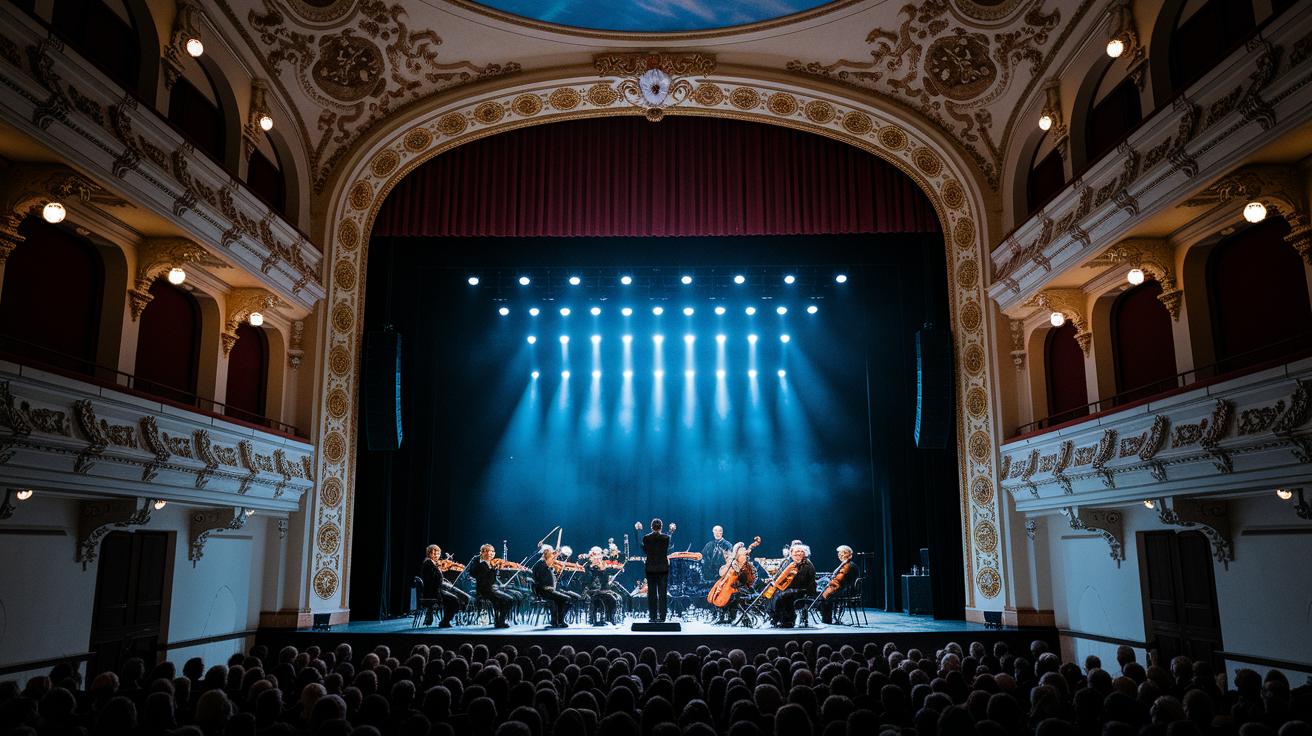
Back in the Baroque days, fast tempos exploded onto the scene, and these energetic beats still thrill us today. Take Bach, for example, he spiced up his Brandenburg Concertos with lively Allegro sections that were like adding a splash of excitement to your favorite dish. And then, classics like Mozart and Haydn kept that vibrant vibe alive by kicking off their pieces with upbeat Allegro movements, setting a fun, joyful tone right from the start.
Later on, Romantic composers turned up the drama with rapid-paced finales. They cranked out intense Presto sections that made the music feel like it was racing toward an epic climax. Meanwhile, Impressionists such as Debussy introduced Vivace to capture a sense of light, breezy motion, much like a quick, joyful sprint through a garden bursting with color. These fresh tempo moves not only reshaped musical expression over the years but also continue to influence the pulsating spirit of fast-paced music today.
Final Words
In the action, we explored how fast in music terms shapes tempo and breathes life into compositions. The article broke down key Italian markings like Allegro, Presto, and more. We also touched on BPM ranges, techniques for ramping up speed, and practice methods for mastering rapid passages.
Each section painted a vivid picture of the energy behind fast tempos. Keep the spark alive as you listen and practice, knowing every beat enriches your pop culture journey with a musical twist.
FAQ
What are fast in music terms?
The phrase “fast” in music includes Italian tempo markings like Allegro, Vivace, Presto, and Prestissimo. Each term indicates a different speed level measured using beats per minute.
What is the musical word for “very fast”?
The musical word for “very fast” is Prestissimo. It signals an extremely high tempo, generally above 200 beats per minute, urging a very energetic performance.
What do you call it when music gets fast?
When music gets fast, it’s often described as accelerating. Terms like accelerando instruct performers to gradually increase the pace, adding excitement to the piece.
What is a synonym for speed in music?
In music, a synonym for speed is tempo. This term measures the rate in beats per minute and directs the overall pace and energy of the composition.
What is the word for quickly in music?
The word for quickly in music can be expressed as vivace. It communicates a lively and brisk pace, inviting performers to play with energetic flair.
Where can I find printable resources like PDFs for fast and Italian musical terms?
Printable PDFs on fast and Italian musical terms are available through educational music websites and digital libraries that offer comprehensive guides to tempo markings.
What are some common tempo markings from slowest to fastest?
Common tempo markings span from slow terms like Largo or Adagio to faster ones such as Allegro, Vivace, Presto, and Prestissimo, clearly guiding musicians on performance speed.

