
Ever thought that beauty and style could actually help save our planet? Brands are shaking things up by mixing cutting-edge technology with tried-and-true methods. Picture clean cosmetics that treat nature with care and clothes crafted with eco-friendly fabrics, all working together like a carefully curated playlist. Each new trend sets the beat for a greener future. In this post, I'll spill the tea on the most exciting eco-friendly trends transforming beauty and fashion today.
Top Sustainable Beauty and Fashion Trend Alerts Right Now

Right now, we’re seeing exciting updates that are shaking things up in the beauty and fashion world. Imagine getting the inside scoop like you’re backstage at a concert, only instead of secret tunes, you’re getting the latest on fresh, eco-friendly trends that mix modern tech with old-school craftsmanship.
Eco changes are happening fast. With rising prices, serious environmental worries, and new customer demands, brands are rethinking how they make their products. For example, ThredUp predicts that the secondhand apparel market will hit $350 billion by 2028, while the global fashion market could jump from $781 billion to $3.3 trillion by 2030. And when you think about it, with nearly 40 million tonnes of textile waste made every year, these changes aren’t just buzzwords, they’re tackling real challenges. Designers are even using 3D printing to create outfits piece by piece with less waste.
- Eco-friendly materials in clothing and accessories
- Clean cosmetics: toxin-free, cruelty-free formulas
- Zero-waste approaches from production to packaging
- Ethical fashion: fair trade and clear supply chains
- Tech-driven sustainability: using AI, 3D printing, and smart data
These trend alerts aren’t just cool facts, they’re a call to take action. Picking brands that use recycled polyester, for instance, is an easy way to help the planet while keeping your style on point. By staying in the know about these trends, you can build a wardrobe and beauty routine that’s not only trendy today, but also kind to our world tomorrow.
Eco Fashion Trends Shaping 2024’s Sustainability
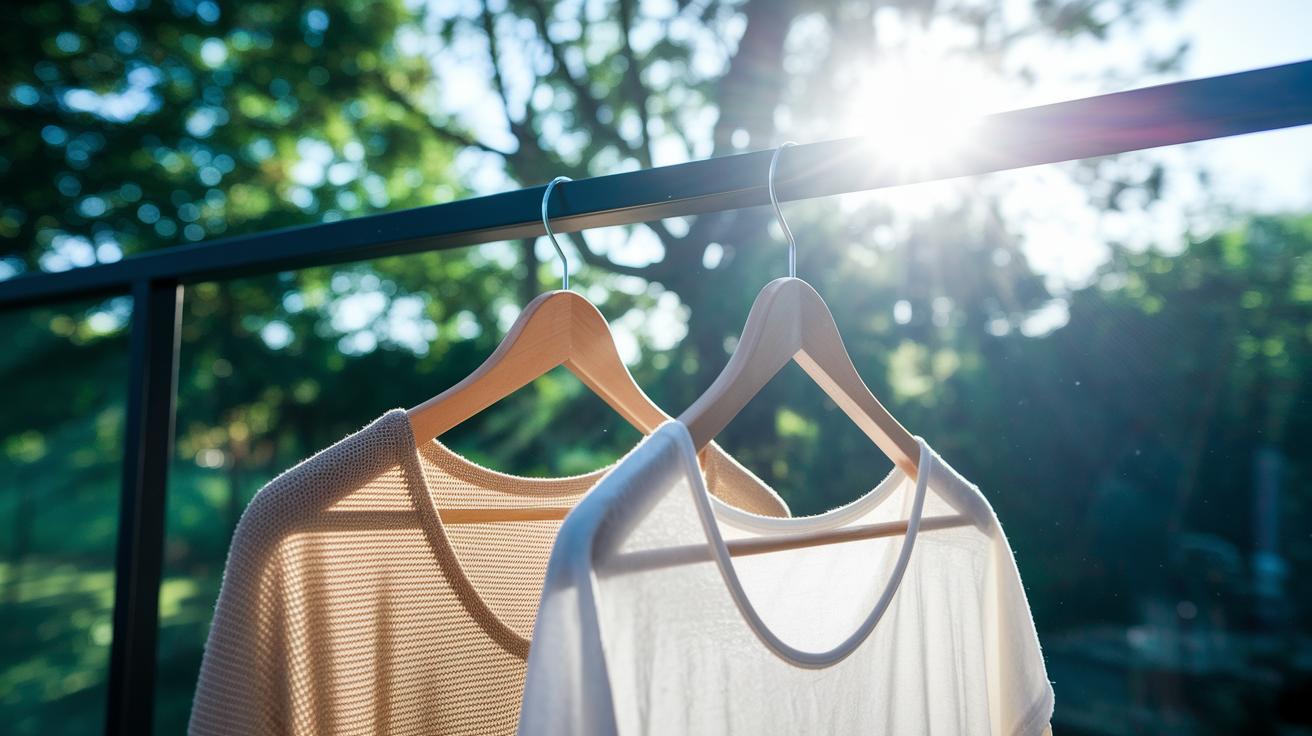
Material selection lies at the heart of sustainable style. Our choices today help shrink our environmental footprint while sparking a look that lasts. Imagine it like picking the perfect beat for your favorite song, it sets the vibe for everything that follows.
Take hemp textiles, for example. They use nearly 50% less water than regular cotton and grow naturally, without any pesticides. Recycled polyester transforms old plastic bottles into fabric, slashing energy use by about 75% compared to new materials. And then there’s organic cotton, grown without harsh chemicals so it keeps both soil and water happy, all while feeling super soft. Picture your go-to streetwear piece made from these eco-friendly materials, it’s modern fashion that truly cares for our planet.
Slow-fashion ideas bring all these innovations together. When brands focus on timeless design and quality, they invite us to invest in pieces that stick around. Instead of opting for fast, disposable fashion, why not build a wardrobe that grows with you? This approach not only cuts down on waste but also creates a personal, sustainable collection that’s always in style.
Green Glam: Revolutionizing Makeup with Eco-Friendly Cosmetics
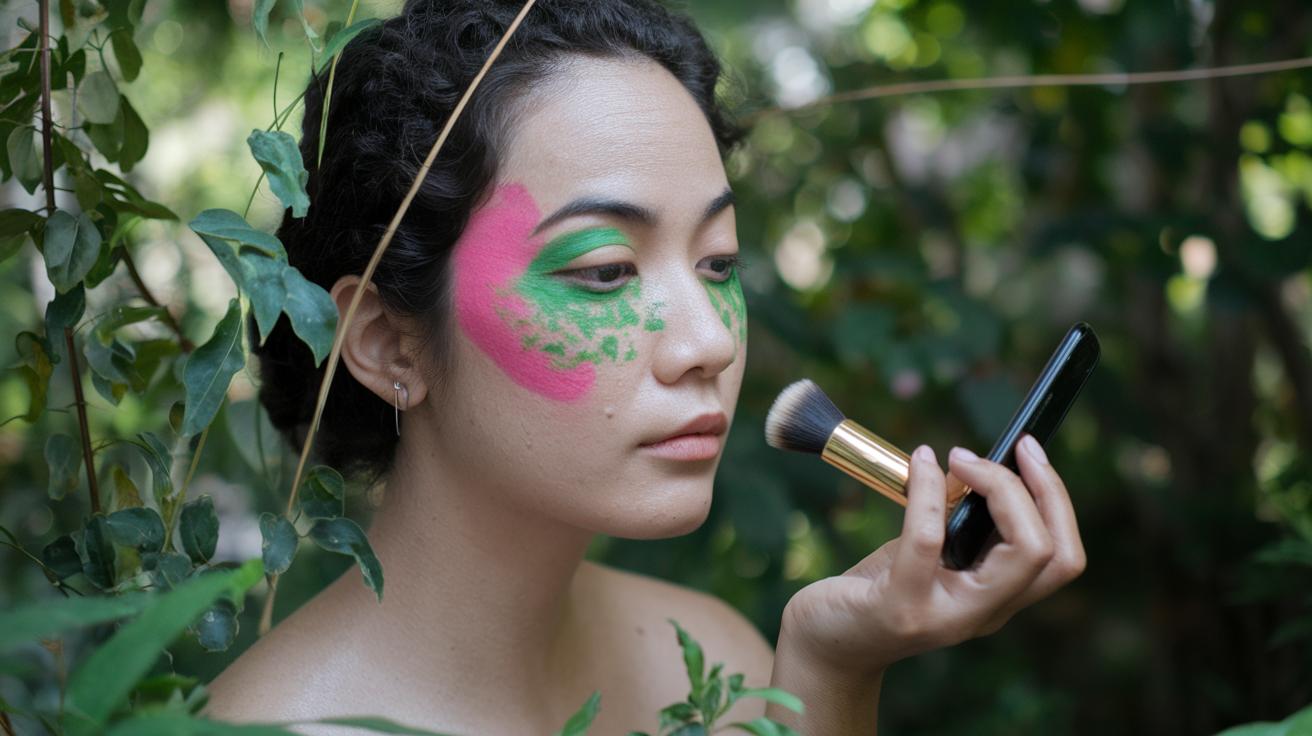
People are changing the makeup game these days. Everyone wants products that not only make you look your best but also help take care of our earth. Brands are catching on and spicing up their recipes and packaging to give us a beauty routine that feels good inside and out.
The beauty scene is getting a fun, fresh twist with eco-friendly ideas. Now, makeup formulas use cool, plant-based pigments from algae, fruits, and minerals. And refillable packaging is stepping up by cutting single-use plastic by as much as 30%. It’s like a win-win: less waste and a look that’s not only stunning but also kind to your skin.
Cruelty-free and vegan cosmetics are really making their mark too. Over the past couple of years, these products have grown massively. Big brands are joining in, showing that you can have a dazzling glam look while leaving a positive mark on the world.
Skincare Eco Discoveries: Organic Skincare Insights and Natural Beauty Enhancers
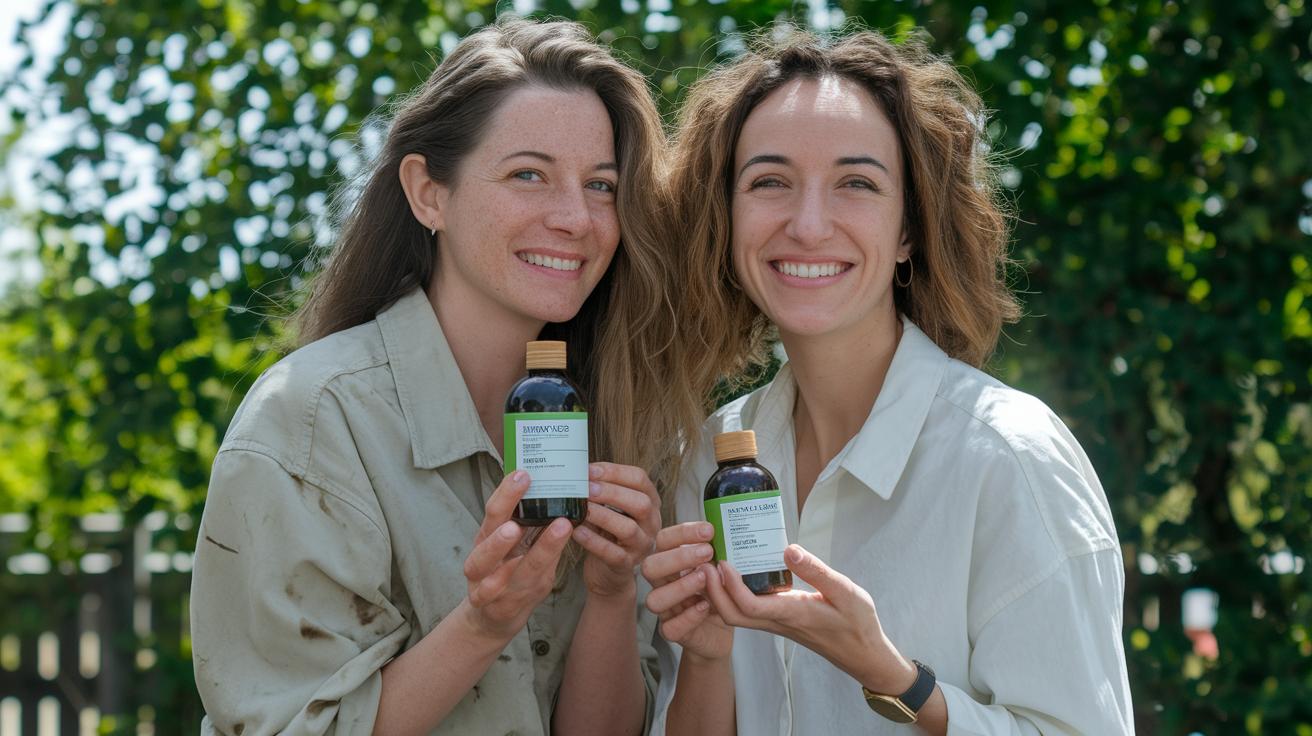
Transparency is totally changing the skincare scene. Top brands are now sharing every detail, from where ingredients come from to the tricks they use to keep their carbon footprint low. It’s like getting a behind-the-scenes look at your favorite beauty routine, making each product feel honest and kind to both your skin and the planet. This clear way of doing things builds trust and makes it easy to choose products that are safe for you and better for the earth.
AI is also stepping in to boost eco-friendly beauty routines. Smart tools now read your skin’s unique needs and mix up perfect ingredient blends that work wonders and cut down on waste. Clean formulas are getting popular too, replacing rough chemicals with gentle, plant-powered options. Thanks to these cool advances, natural beauty enhancers aren’t just effective, they’re committed to ethical practices from start to finish. This innovative tech is really reshaping skincare, making it both personal and planet-friendly.
Zero Waste and Upcycling: Sustainable Fabric and Accessory Innovations
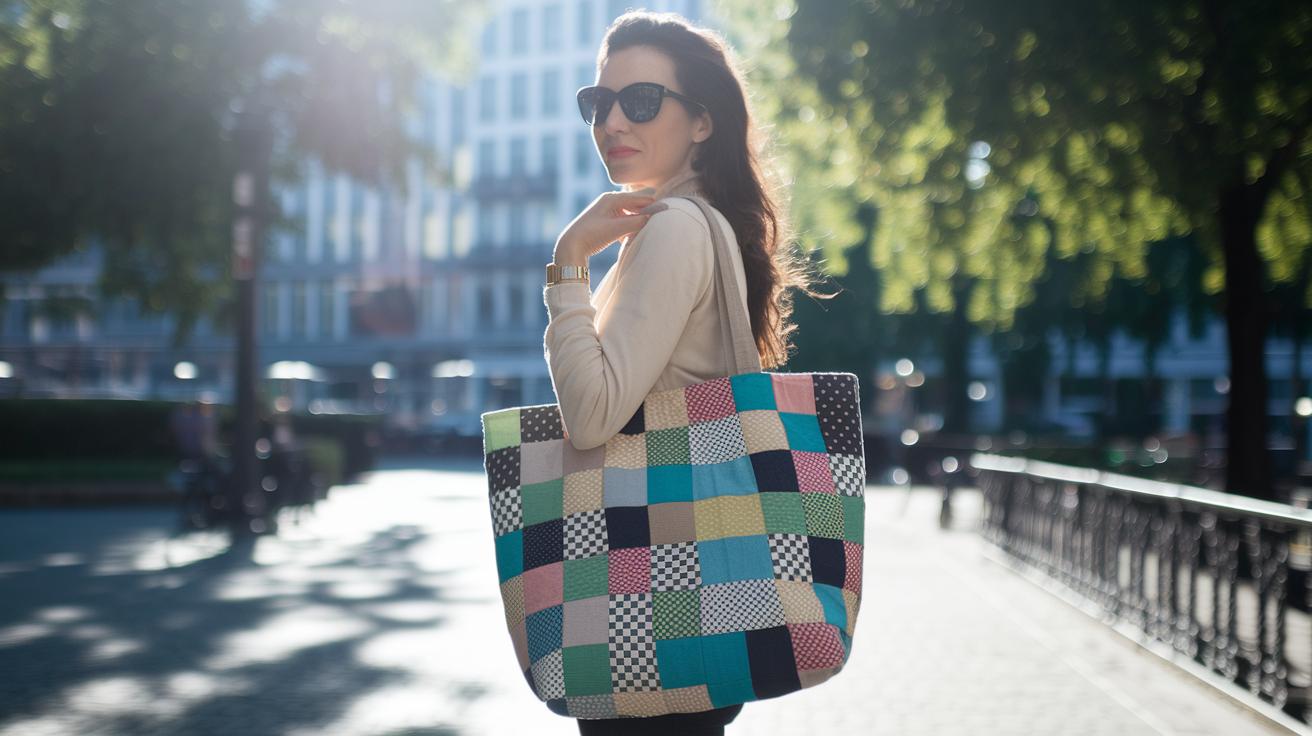
Circular fashion is shaking up the style scene by transforming factory offcuts into unique accessories and giving old garments a fresh lease on life. Brands are partnering with talented artisans to repurpose leftover materials into limited-edition treasures that creatively reduce waste.
Hemp Textiles
Hemp textiles are a real game-changer, they use 50% less water and need no pesticides. One brand even turned surplus hemp fabric into tough yet stylish accessories. Imagine rocking a belt made entirely from scrap materials that's both eye-catching and eco-friendly.
Recycled Polyester
Recycled polyester takes things up a notch by converting used plastic into high-performance yarn. One innovative designer reimagined discarded bottles into exclusive jackets that blend sustainability with standout style. Picture a piece of plastic, reborn as a high-fashion, limited-edition statement accessory.
Organic Cotton
Organic cotton is grown without synthetic chemicals and results in soft, premium fabric. Some creative brands are turning extra organic cotton into cool patchwork tote bags and wearable art that speaks volumes about environmental care. Think of a fabric bag that not only carries your things but also tells a story of green creativity.
| Material | Sustainability Benefit | Brand Example |
|---|---|---|
| Hemp | 50% less water; no pesticides | Patagonia |
| Recycled Polyester | Diverts plastic waste | Rothy’s |
| Organic Cotton | Grown without synthetic chemicals | People Tree |
Ethical Apparel Alerts: Fair Trade, Slow Design, and Responsible Sourcing
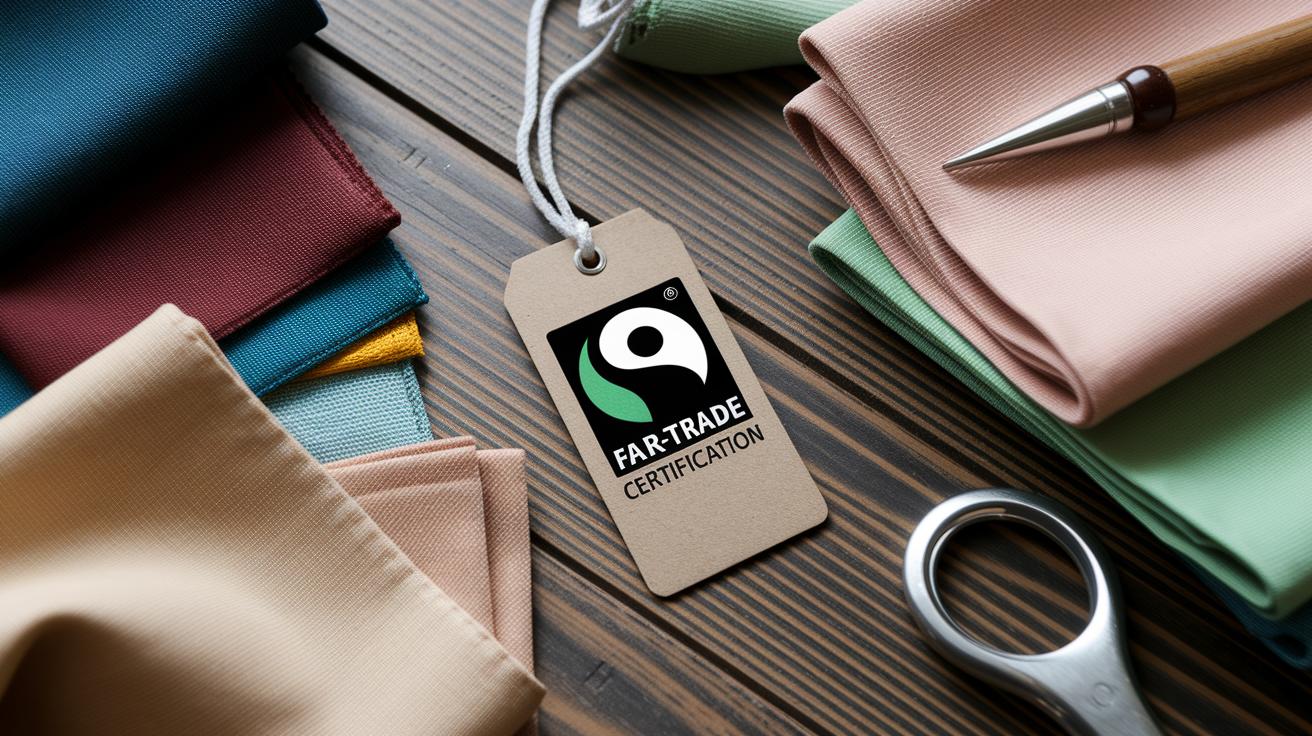
Ethical apparel isn’t just a buzzword, it’s the real deal. Brands now let you in on every step of how your clothes come to life, from where they gather the material to the working conditions in the factories. That means fair wages, safe work spaces, and full production transparency. Imagine it like getting backstage access to see how your favorite outfit is made.
Fair-trade certifications have become the go-to stamp of trust. People are now checking for those labels to be sure their clothes care about both the people who made them and the planet. With a 25% boost in demand for these ethical checks just over the past year, these badges mean that the products really live up to strict ethical standards.
Slow design is all about saying no to fast, throwaway trends and yes to timeless, well-made pieces. It’s like choosing a classic movie that never gets old, instead of that one-hit wonder run-of-the-mill flick. Investing in quality clothes not only cuts down on waste but also gives you something that feels as personal as a treasured family recipe handed down through the years.
One standout brand has been turning heads by sharing its entire sourcing journey with everyone. They’ve verified every single part of the process, from carefully picking materials to the final touches on the sewing table. This cool move shows that when transparency meets slow design, you end up with apparel that’s both ethical and seriously stylish.
Sustainable Beauty and Fashion Trend Alerts: Shine Bright
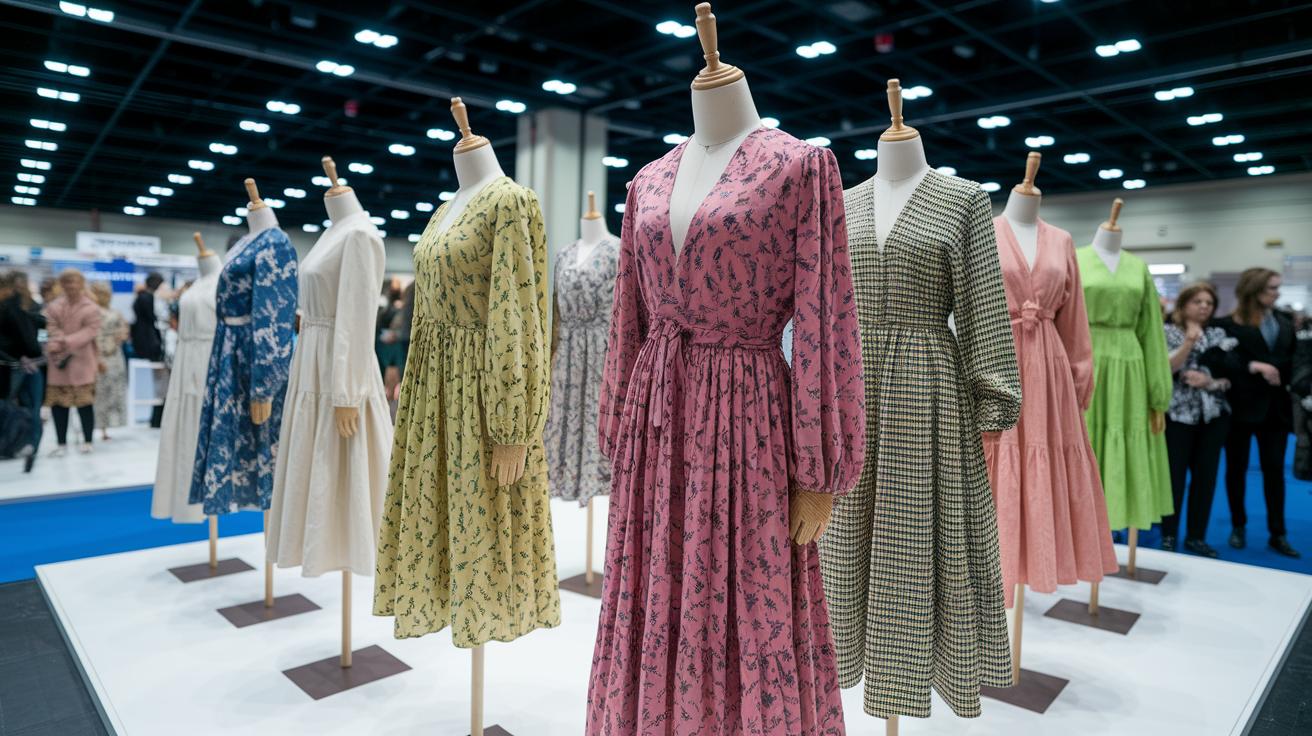
Trade shows and digital events are buzzing with the latest eco-innovations. Big gatherings like the Copenhagen Fashion Summit are shining a light on game-changing ideas, from recycling loops in fashion to biotech fabrics that are kind to our planet. And with cool video-commerce and virtual runway shows, fans can literally sit front row to the future of eco-fashion. Plus, tech like AI and data crunching is getting its time in the spotlight, proving that smart design and ethical production really do go hand in hand.
One standout brand case study really brings this trend to life. They took digital runway sessions and interactive trade show insights to heart, rolling out a sustainable collection that blends cutting-edge ideas with genuine care for the environment. By using high-tech tools to refine every detail, they made sure every piece of their collection met strict eco-friendly standards. It’s a clear sign that harnessing digital platforms and data-driven strategies can launch sustainable lines that truly click with eco-conscious buyers, making a bold statement about responsible style.
Final Words
In the action, we explored eco-friendly materials, clean cosmetic formulas, and ethical wear that are reshaping the pop culture scene. Short insights on secondhand growth, innovative tech, and slow-design trends set the stage for practical, green styling choices.
We wrapped up with actionable tips for eco-conscious consumers who crave creative, sustainable beauty and fashion trend alerts. The future looks bright, smart, and stylish for all who choose green.
FAQ
Q: What are the key sustainable fashion trends for 2025?
A: The sustainable fashion trends for 2025 highlight eco-friendly designs and tech-driven production methods that reduce waste. These trends focus on innovative materials and new practices set to reshape the industry’s future.
Q: What are some examples and leading brands of sustainable fashion?
A: Sustainable fashion examples include collections made from recycled polyester, organic cotton, and hemp. Leading brands and labels are adopting fair trade and zero-waste practices that emphasize longevity and transparency in production.
Q: Why is sustainable fashion important?
A: Sustainable fashion is important because it minimizes environmental impacts and promotes better working conditions. This approach helps reduce waste and resource consumption while moving the industry toward ethical production standards.
Q: How is sustainable fashion featured in articles and news, including Vogue?
A: Sustainable fashion featured in articles, news, and outlets like Vogue spotlights the shift toward eco-conscious collections and innovations. This coverage informs consumers about ethical practices and stylish alternatives to fast fashion.
Q: What distinguishes fast fashion, slow fashion, and circular fashion?
A: Fast fashion produces trendy pieces quickly at low cost, slow fashion emphasizes quality and durability, while circular fashion focuses on reusing materials to extend garment life and minimize waste.
Q: Are there any sustainability resources like PDFs available for the fashion industry?
A: Sustainability in the fashion industry is often detailed in downloadable PDFs that explain eco-friendly practices, case studies, and market projections. These documents offer concise insights into the industry’s green evolution.
Q: What sustainable dress and T‑shirt options are trending now?
A: Sustainable dress and T‑shirt options include designs made from organic and recycled fabrics. These pieces offer stylish versatility while reducing environmental impact, making them a popular choice among eco-conscious shoppers.

