
Ever wonder why some posts really hit home? It’s all about those strong feelings. Just like sliding into your favorite band tee, a viral trend makes you feel like you belong to something bigger, like joining the coolest club around.
That rush of belonging and excitement spreads like wildfire, turning a simple post into an online sensation. When we mix our emotions with social signals, we unlock the secret behind the viral buzz that keeps us scrolling and sharing every day.
psychology of viral trends: Ignite Social Excitement
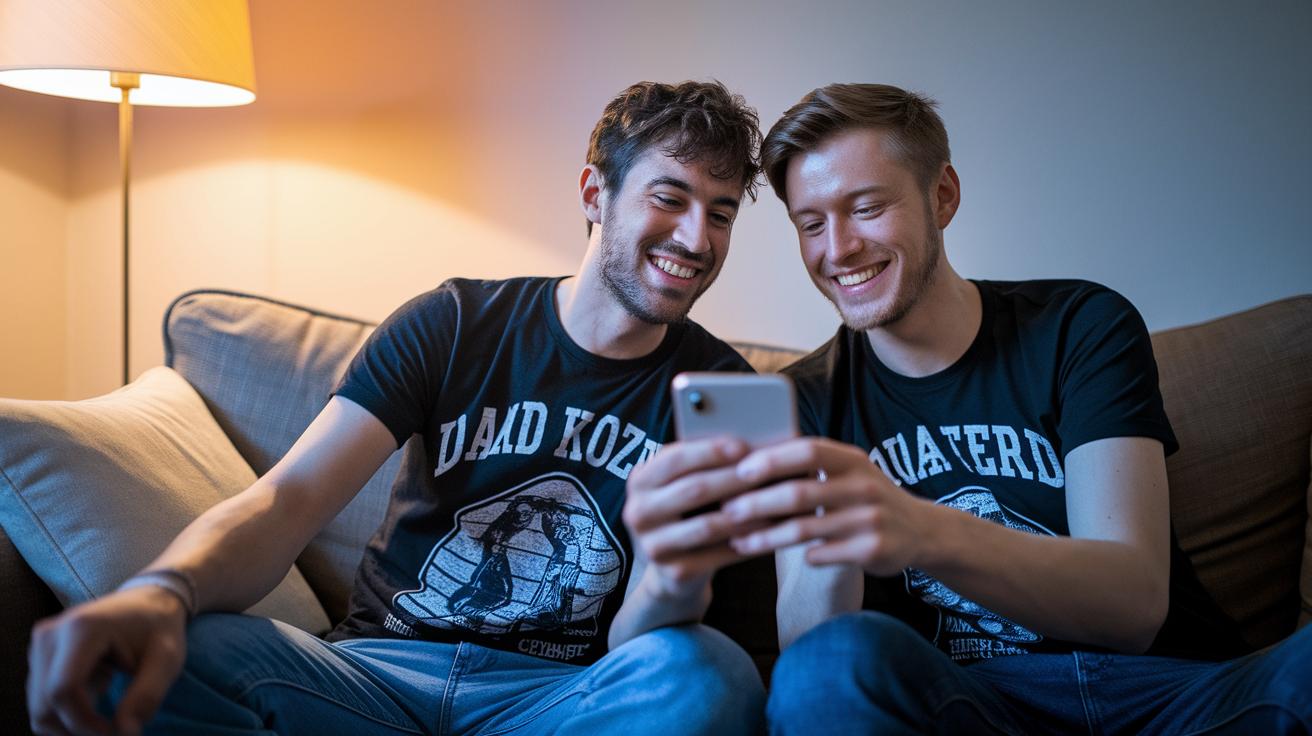
Ever wonder why you’re drawn to share posts that totally feel like you? It’s because when content echoes your own style, interests, or beliefs, it gives you that warm sense of belonging. Imagine wearing your favorite band tee, you instantly feel part of the cool crowd. Online, every like, share, or comment works the same way, giving a little nod to who you are.
Emotions are the secret sauce behind viral content. When a post makes you feel joy, awe, or even taps into those bittersweet nostalgic vibes, like remembering endless summer afternoons or those unforgettable high school dances, it just pulls you in. Or think about that wild fact: before she became a household name, Marie Curie once carried test tubes in her pockets, unknowingly shaping her future. When feelings run high, you can’t help but share the magic, sparking a ripple effect of connection.
And hey, it’s not just about feelings. Real-world stats back this up. Google's "25 Years in Search" video racked up 353 million views on YouTube in less than a year. That’s proof that when creators strike the right chord with identity, emotion, and memories, they create a buzz that resonates with folks from all walks of life.
Emotional contagion in viral trends

Ever noticed how a super emotional post can instantly change your mood? That’s emotional contagion at work, it’s when you catch the vibe of a post so quickly that it feels like you're sharing in the emotion. It’s a big reason why some posts blow up online.
- Joy: That burst of happiness that makes you smile and hit share.
- Outrage: A rush of anger that pushes you to voice your thoughts.
- Awe: That incredible moment that leaves you completely speechless.
- Amusement: Fun and light-hearted moments that brighten your day.
- Inspiration: A spark that nudges you to take action.
When posts pull at our heartstrings, we can’t help but share them with our friends. Studies show that posts with strong emotions can grab up to 40% more engagement than the ordinary ones. Marketers know this trick and use these powerful feelings to drive buzz online. A flicker of joy, outrage, or awe can start a chain reaction of likes, shares, and comments that spreads the word across social media, turning everyday content into a viral hit.
Social proof and mimicry in viral trends

You know that feeling when you see friends and even strangers getting into something fun and irresistible? That’s social proof doing its magic. When you witness people sharing a trending video or rocking a popular challenge, it feels like a friendly push to jump in too. It’s kind of like watching a ripple effect, one share leads to another, and suddenly, everyone’s joining the party.
Think about TikTok dance challenges. Nearly 80% of people decide to join after catching a glimpse of their peers showing off engaging moves. When you see everyone having a blast, it sends a clear message: if the crowd is vibing with it, then it must be worth your time too!
This pattern is just like how cool ideas and trends spread around in real life. Watching familiar behaviors gives you that warm sense of belonging, making it even more tempting to be a part of the excitement. When you blend social proof with a bit of mimicry, isolated actions turn into full-blown viral phenomena.
Algorithmic amplification in viral trends

Social media sites like Facebook, Instagram, and TikTok are always on the lookout for posts that catch fire right away. They use clever systems that spot posts getting a lot of love early on, almost like an automatic spotlight highlighting hot content before it even spreads widely.
Early reactions really matter here. When a post picks up likes, comments, and shares soon after it’s posted, those signals set off a chain reaction. In fact, posts that get a strong early boost can reach 2 or 3 times the usual audience. It’s like watching a tiny spark turn into a full-blown wildfire of online attention.
And here's where it gets really interesting – our natural responses play a huge role. When a post stirs up emotions or gives a sense of what others think, it feeds right into the system. This blend of human vibes and smart algorithms creates the perfect storm that makes some posts absolutely irresistible to millions.
Viral trend case studies with psychological insights

Digging into real-life viral moments gives you a backstage pass into why some content catches fire. These examples show us that trends don’t just pop up overnight, they’re built on the way we naturally react to what we see. For extra vibes, check out this link: Analyzing viral trends in pop culture. Whether it's joining a meaningful cause, taking a trip down memory lane, or simply having a bit of fun, our instinctive reactions help spread the buzz.
| Trend | Platform | Emotional Trigger | Reach |
|---|---|---|---|
| Ice Bucket Challenge | Multiple Platforms | Altruism and Social Pressure | $115 Million Raised |
| 25 Years in Search | YouTube | Nostalgia and Storytelling | 353 Million Views |
| TikTok Dance Trends | TikTok | Peer Mimicry and Audio Hooks | Millions of Views |
| Most Liked Tweet | Humor and Heartwarming | Record-Breaking Likes |
It’s clear that viral trends are far more than just bursts of random popularity. They work because they tap into powerful feelings and shared human moments. The Ice Bucket Challenge, for example, turned a fun dare into a genuine act of giving, while some smart Google videos pull us into shared memories. And let’s not forget TikTok dances with their catchy beats and lively moves that make us feel like part of a big community. Even a clever tweet can light up social media, showing us that behind every viral hit is a mix of honest emotion, social connection, and that irresistible urge to share something that feels just right.
Nostalgia, timing, and utility in viral trends

Ever wonder what makes a post explode online? It’s all about mixing three catchy ingredients that get people talking. First off, a little dose of nostalgia transports us back to fun memories. Then, catching the moment at just the right time brings in the buzz. And when content practically makes your day easier, people can’t help but share it.
Take a look at these easy-to-digest points:
- Nostalgia: Studies say that about 15% of Gen Z and Millennials seek out posts that remind them of the “good old days.” It’s that warm, fuzzy feeling of belonging that keeps them coming back.
- Timing: Dropping a post during peak hours or when a trend is hot can boost its initial reach by roughly 25%. It’s like catching a wave when the tide is just right.
- Utility: How-to tips and quick guides get shared about 30% more because folks love advice they can use right away.
Mix these three together and you get a recipe for online magic, a powerful mix that makes users hit that share button and transforms content into a true cultural moment.
Ethical dilemmas and future of viral trend psychology

Viral campaigns are getting trickier to pull off these days. They often dance on the edge between sparking excitement and stepping into murky territory with privacy issues and fake news. This makes every creator and marketer stop and really think about the kind of impact their content might have.
With all the buzz around new tech like augmented reality, deepfakes, and immersive formats, the way we dive into trends is totally changing. These cool tools can turn a simple post into a fun, interactive adventure that sometimes blurs the line between what’s real and what’s made up. But, while these innovations bring a lot of energy to the scene, they also come with risks like twisting facts or creating misleading impressions. It’s a reminder to all of us to keep a close eye on what we trust online.
At the end of the day, mixing high engagement with a strong sense of ethics is key to keeping that trust intact. Content creators need to balance the rush of shareability with the responsibility of maintaining genuine audience confidence. After all, the best buzz is one that never sacrifices honesty or integrity.
Final Words
In the action, this article broke down the forces that fuel viral trends, from our drive to share content that mirrors who we are to the way emotions spark widespread connection. It explored how peer influence and clever algorithms push content into the spotlight, using real-life examples to show these effects in motion. The insights on nostalgia and timing, alongside a thoughtful look at ethical considerations, remind us that understanding the psychology of viral trends can make sharing feel both smart and responsible. Here's to celebrating the art behind every share!
FAQ
Q: What is the psychology of viral trends as seen in PDFs, social media, and TikTok?
A: The psychology of viral trends explains how human emotions, identity cues, and social connection drive content sharing. Studies and PDFs show that engaging stories and relatable themes boost popularity on platforms like TikTok and social media.
Q: What is going viral on social media right now?
A: Going viral means content quickly gains popularity through rapid sharing, driven by strong emotions and identity cues that resonate with a wide audience across various social media platforms.
Q: Why do trends go viral?
A: Trends go viral because they trigger human drives by reflecting personal identity, sparking emotional responses, and tapping into nostalgia. These elements prompt users to share content widely, creating a ripple effect of engagement.
Q: How do things go viral on social media?
A: Things go viral by capturing attention with relatable, emotionally charged content. Strategic social proof and early engagement help platforms boost these posts, resulting in a cascade of likes, shares, and comments.
Q: What is a viral trend?
A: A viral trend is a widely shared and rapidly spreading phenomenon on social media, fueled by emotional appeal and peer influence. It quickly becomes part of the cultural conversation through high user engagement.
Q: What is the psychology behind viral content?
A: The psychology behind viral content lies in tapping into core human impulses like emotion, connection, and the need for social validation. This combination helps content spread quickly through networks of engaged users.
Q: What does the concept of “Why things go viral” explore?
A: The concept behind “Why things go viral” explores how small triggers in our shared emotions and identity perceptions can lead to massive online sharing, highlighting real-world examples that illustrate these powerful dynamics.

