
Have you ever wondered why a random video suddenly takes off online? It's not just luck; it's a blend of honest emotions, quick sharing, and that cool insider feel that sparks a wave of excitement. Imagine a quiet moment lighting up with laughter or surprise, making you want to share it immediately with your friends. Studies show that speedy, ripple-like shares combined with real feelings can connect us all in surprisingly powerful ways.
Core Mechanisms Driving the Science Behind Viral Trends

Viral content starts with a burst of emotion. When you see something that makes you feel really excited, like awe, joy, or a big surprise, it’s hard not to share it. Picture watching a quick video where an everyday moment suddenly turns into something amazing, like a plain scene lighting up with unexpected color. That spark makes you want to hit the share button right away.
Then there’s social currency. Basically, we love sharing cool stuff because it shows everyone we’re in the know. It’s like tossing out an insider joke among friends and feeling part of the cool crowd. This sharing isn’t just random, it boosts our own street cred.
The viral loop plays a big role, too. Every time you share something, it acts like an invite, drawing in new viewers who share it again. Think of each share as a ripple that grows larger and larger. This idea is measured by the viral coefficient, or k-factor, which simply tells us how many new people each share can bring in. When this number is high, the content spreads like wildfire.
Network effects add even more juice to the mix. When different groups or communities latch onto the same post, its reach multiplies, almost like a chorus of cheers at a packed sports game. All these elements, emotions that hit hard, the desire to look cool, and a smart cycle of sharing, combine to create the magic behind viral trends, showing why some content just takes off online.
Psychological Drivers in the Science Behind Viral Trends
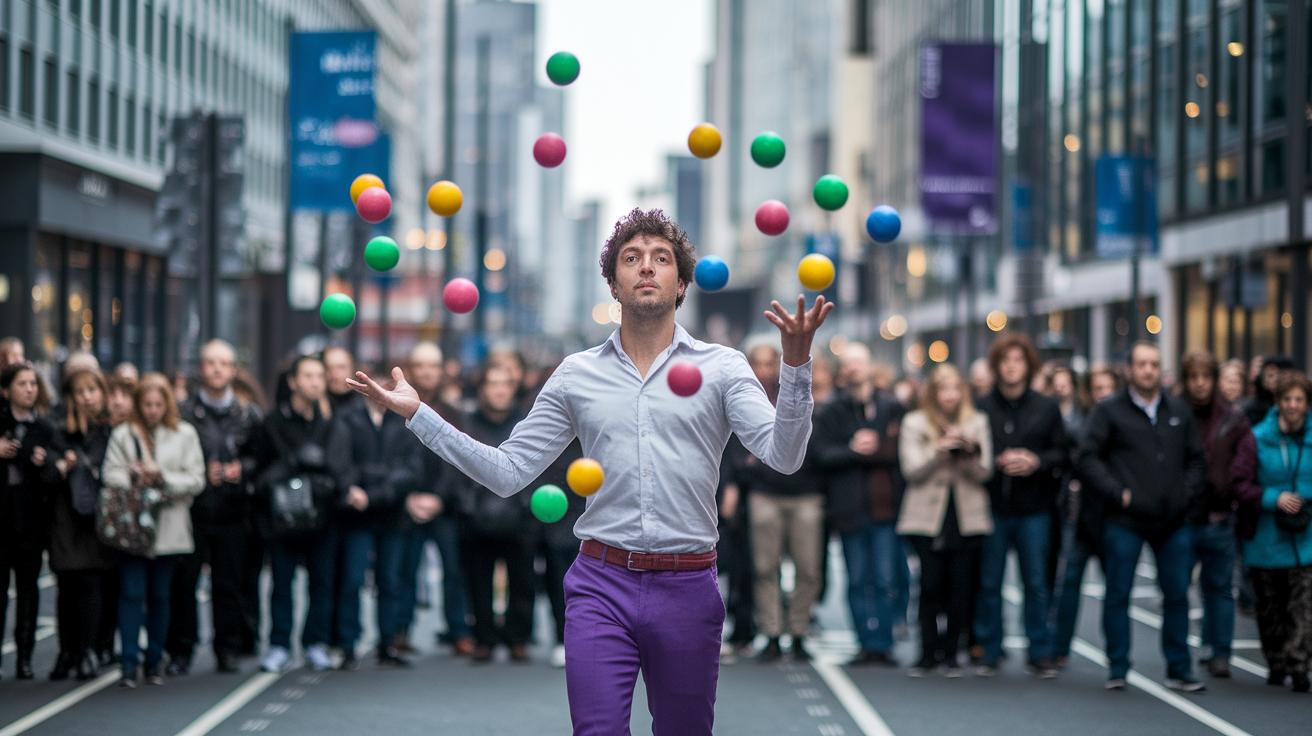
Viral content feels a bit like a magic trick on an ordinary day. It taps into emotions that hit you instantly, making you want to share it right away. Think about it: you’re scrolling along when suddenly, a simple street performance explodes into a wild light show. That unexpected twist makes you go, “Wow, I have to show this to my friends!”
Relatability is another huge factor. When something on your feed mirrors everyday moments, it feels like a friendly nudge saying, “Hey, I get you.” It’s just like catching up with a pal over coffee and laughing about that one hilarious moment you both experienced.
Then there’s content that offers real-world tips or insights. Imagine a quick video showing you how to style an outfit for a night out, not only is it fun, but it’s also super useful. Sharing that feels rewarding, almost like passing along a handy life hack.
And of course, there’s the whole “fear of missing out” feeling. When something exclusive seems to be slipping away, that little nudge, FOMO, pushes you to act fast. In truth, all these drivers work together to spark joy, build connections, and make sharing feel totally worth it.
Social Network Dynamics Fueling Viral Trends

Imagine the burst of fun when someone in your circle drops a cool post that sparks a chain reaction. It all starts when early trendsetters light the fuse, and soon a quirky meme shared by a friend becomes the talk of the town. Each new share builds on the last until a tiny spark turns into a full-blown trend.
And let’s face it, nothing beats a friend’s nod of approval. When someone you trust gives a post a thumbs up, it feels just like a personal recommendation. That simple sign makes you want to check it out, and before you know it, everyone in your crew is buzzing about it.
The way online communities are built also plays a big part. In groups where everyone is pretty close, news travels super fast, much quicker than in bigger, looser circles. Plus, there are those key players who act like party hosts, boosting the content so it reaches more and more people.
Oh, and think about those live moments, like breaking news or live events, that get everyone talking at the same time. These moments create a shared buzz where almost everyone reacts together, fueling the viral wave. All these elements show just how important our online communities are in making content go viral.
Algorithmic Curation and Technology Shaping Viral Trends
Today’s platforms are like cool DJs mixing together early likes, comments, and shares to spin up a post's popularity. Picture this: a new TikTok clip gets a few quick thumbs-ups and, suddenly, the ranking system cranks it up, just like that catchy beat you can’t help but replay.
AI-powered analytics work like savvy detectives, scanning for patterns that hint at the next big hit. Imagine a tool that hones in on a video whose shares are rising as fast as a trending dance move. It sends a signal to the platform to boost that post even more.
Then there are recommendation engines, which feel a lot like that friend who always nails your favorite tracks. They dive into your feed, sprinkling in content that matches your interests and keeping your notifications buzzing with fresh updates.
And let’s not forget mobile-first formats. Short, snappy videos and Stories pop up on your screen in an instant, making it super easy to share amazing content. This mix of smart tech and a personal touch keeps those viral trends soaring all over your digital world.
Case Studies and Statistical Models of Viral Trends
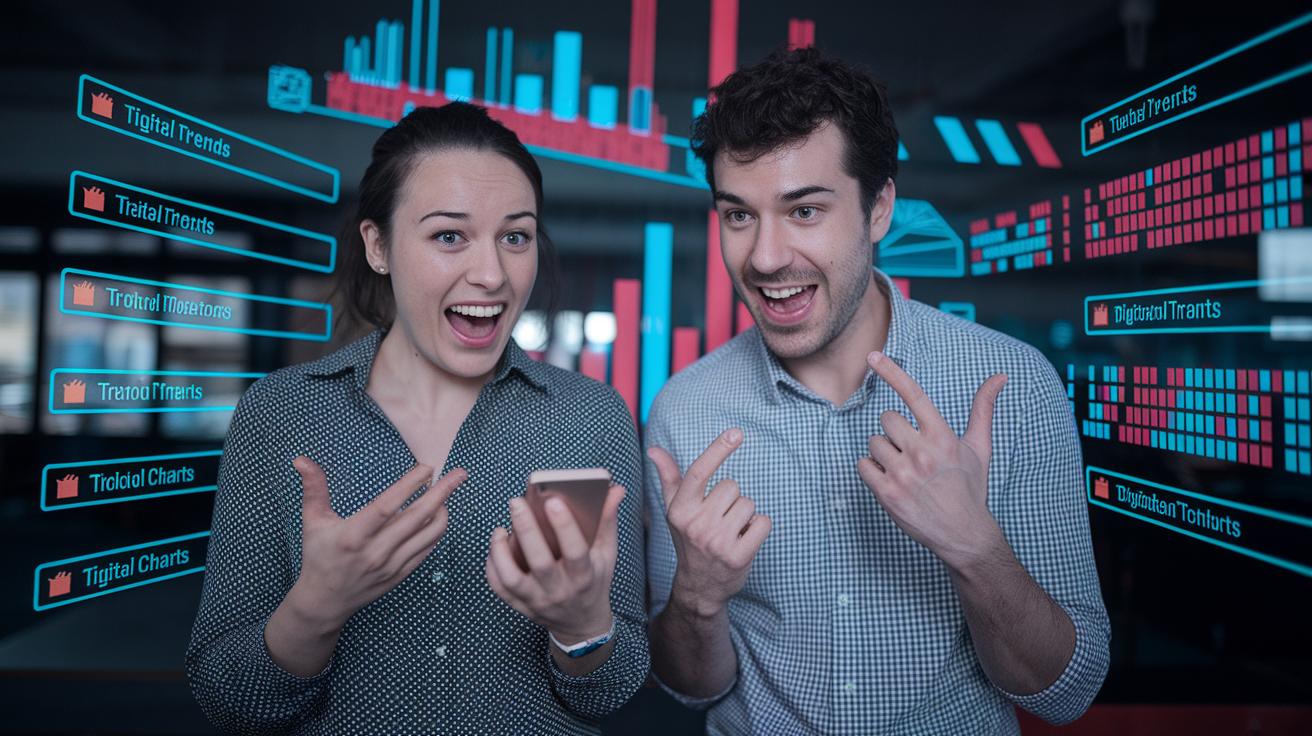
Ever wondered how some trends take off online like crazy? It’s not just luck, there’s a solid science to it. Imagine you share a video with a friend, and that friend passes it on to two more people. This is what we call a viral loop, where every share brings in even more viewers. When the viral coefficient, or k-factor, is above 1, each share sparks another round of excitement, and before you know it, things are blowing up.
When you dig into the numbers, you see that these referral chains create patterns we can track, kind of like watching ripples spread out on a pond. This approach gives us cool hints about why certain posts catch fire and spread so quickly.
| Term | What It Means |
|---|---|
| Viral Coefficient | A number that shows if each user brings in more than one new viewer |
| Referral Chains | The trails left by shares that show how the numbers keep rising |
| Real-Time Analytics | Tools (like music radar trends 2024) that monitor sharing speed and help predict sudden spikes |
Case studies using these models show how a single post can spark a full-blown buzz. When one share turns into a cascade of further shares, it highlights the perfect mix of how people interact and how networks work. These statistical models help marketers spot the next viral hit by mapping out share patterns. In our fast-moving digital world, this kind of analysis turns a simple idea into a widespread phenomenon.
Content Formats and Storytelling in Viral Trends
When it comes to viral trends, storytelling is like crafting your own mini-movie that grabs you from the very first scene. Picture it this way: there's a clear beginning, a twist that stirs up some trouble, and a satisfying wrap-up, all designed to pull you right in. For instance, imagine kicking things off with a surprising fact, like a selfie that unexpectedly spins into a global challenge and becomes a beacon of hope.
Short-form visuals, think quick videos or fun infographics, are perfect for catching your eye in just seconds. These little bursts of content pack enough punch to leave you saying, "Wow!" It’s as if a 15-second clip is telling you an entire story without needing any extra chatter.
Edutainment brings together handy tips with lively visuals, making learning both fun and super engaging. When you stumble upon a brief guide about the latest beauty trend that also drops a cool styling trick, it feels like you’ve been handed a VIP pass to some insider info.
Little surprises in your content, whether it’s an offbeat graphic or an unexpected plot twist, keep everyone on their toes. They spark share-worthy moments that get your friends and followers chatting, adding even more buzz to our fast-paced world.
Implications for Digital Marketing in the Science Behind Viral Trends

Have you ever wondered how brands create buzz that feels like a party everyone’s invited to? They tap into the science behind viral trends by mixing smart referral programs with fun influencer collabs. It’s like when one friend gets super excited about a new song, and suddenly everyone’s humming along.
Think of influencer partnerships as sparking a loop of fun, every share turns into another chance to reach even more fans. Pre-launch teasers or limited-edition drops work just like handing out exclusive backstage passes that make fans act fast and feel special.
Marketers keep a close eye on engagement in real-time so they can tweak their content on the fly. This way, the campaign always feels fresh and responsive, just like the latest hit trend.
Here are some quick ideas to try:
- Referral programs that make each customer want to bring a friend.
- Collabs with micro-influencers for real, buzzing feedback.
- Sneak peeks before a launch to build excitement and use scarcity as a trick.
- Fine-tuning content based on what early adopters and live engagement show.
For some real-time inspiration, check out the pop culture trend alerts 2024 at https://popbrunch.com?p=84. By using these smart, fun tactics, brands aren’t just riding the viral wave, they’re steering it, ensuring every campaign captures attention and keeps the buzz alive.
Final Words
In the action, we broke down how emotions spark sharing, how social cues make us feel seen, and how networks work their magic. From the viral loop and k-factor to algorithm boosts, each piece plays a part in the science behind viral trends. We also uncovered storytelling tricks that give content that extra kick. It’s a fascinating look at why we click, share, and talk online. Enjoy riding this inspiring wave of creativity and trend insight!
FAQ
Q: What is the science behind viral trends?
A: The science behind viral trends explains how strong emotions, social currency, and network dynamics combine with platform algorithms to spark rapid online sharing and build a chain reaction.
Q: What is going viral on social media right now?
A: Going viral on social media means that current content is triggering high emotional responses, clever storytelling, and peer recommendations, which prompt quick, widespread sharing across networks.
Q: How do things go viral on social media?
A: Things go viral on social media when early shares and peer endorsements kick off a cascade. Emotional sparks, practical insights, and algorithm boosts work together to make content spread fast.
Q: What makes content, including videos, go viral on YouTube?
A: Content goes viral on YouTube when captivating storytelling and surprising visuals engage viewers. A clear narrative and algorithmic support turn casual watchers into passionate sharers.
Q: What is the psychology behind viral trends and content?
A: The psychology behind viral trends shows that surprise, relatability, and useful tips motivate people to share. When content mirrors real emotions or daily experiences, it connects deeply and spreads quickly.
Q: Why do trends go viral?
A: Trends go viral when strong emotional triggers and trusted peer endorsements align with algorithmic support. This mix creates a rapid spread, turning even simple posts into widespread online hits.
Q: Where can I learn more about viral science through resources like books or PDFs?
A: Exploring titles and PDFs on viral science, such as the discussion in “Why Things Go Viral,” offers a deeper look at the blend of emotional, social, and tech factors behind online phenomena.
Q: What is virality?
A: Virality is the rapid spread of content sparked by emotional appeal and social sharing, amplified by platform algorithms. Each share adds to the momentum, turning ordinary posts into widespread digital sensations.

