
Ever wonder if a coin or t-shirt might capture the vibe of your favorite icons? Long ago, simple keepsakes gave birth to today’s collectible scene. We went from patriotic medallions to Elvis tees and Beatles tour shirts, each change giving fans a fresh way to hold on to history.
Every new piece of merch meant a new story. It was more than just an item, it was a way to carry a little piece of the magic. In this piece, we explore how these pop culture treasures evolved into must-have memorabilia that let us proudly show off our love for the stars.
Curious to see how these cool trends changed the fan experience? Let’s dive in and celebrate the art of collecting our favorite moments.
Historical Milestones in Pop Culture Merchandising Trends
Imagine stepping back to the late 1700s when simple commemorative coins and medallions featuring George Washington sparked a wave of patriotic pride. These early keepsakes set the stage for what would become today’s nostalgic pop culture treasures.
In 1878, Jasper Fremont Meek came along with branded burlap book bags, the very first mass-market promotional product. Think about it like this: those humble bags were the blueprint for today’s must-have memorabilia, serving up both function and a memorable design.
Fast forward to 1956, and Elvis Presley was rocking official T-shirts to promote his singles. Fans wore those shirts like badges of honor, turning them into personal statements and marking a major shift in how merchandise connected with music lovers.
Then came 1964. The Beatles released tour tees during their U.S. visits, transforming everyday fans into walking, talking billboards. A simple tee quickly became a cool statement piece, showing off fandom in style. And by 1973, a Yes tour T-shirt raked in an impressive $250,000 in profit, proving that band merchandise was more than just collectibles, it was a big business.
These early hits paved the way for the modern pop culture merch scene. Today’s trends still echo those pioneering moments, so if you’re curious about the latest and greatest, check out the newest pop culture trend alerts for 2024.
Cinematic Tie-Ins and Licensing Shifts in Pop Culture Merchandising Trends
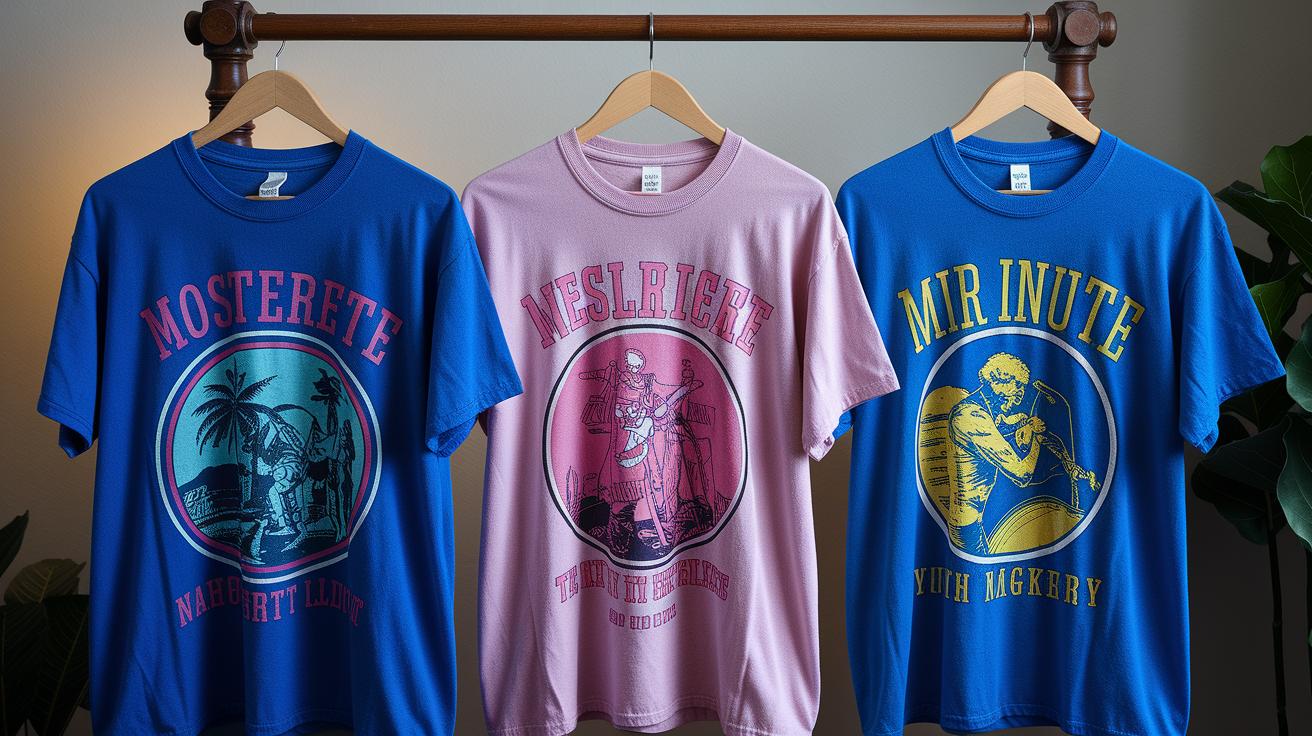
Back in the 1930s, Raymond Molinier did something really cool. He transformed Paris Opera programs into collectible art, showing that performance art could jump right off the stage and into fans' hands. It was one of the first times people saw that art and culture could live on even after the final curtain call.
Then, in 1955, Walt Disney’s Disneyland opened its gates and changed everything. Plush toys, princess dresses, and park-only souvenirs weren’t just items to buy; they were little pieces of magic that let visitors take a bit of the wonder home with them. Imagine leaving the park with a cuddly character toy that captured the entire enchanting experience, that was pure magic.
By 1977, things got even more exciting when George Lucas kept the merchandising rights for Star Wars. This smart move led to a whole range of tie-in products, from lightsabers and action figures to cool apparel. Fans could carry a piece of the epic space saga into their everyday lives, blending film and merchandise in a way that brought iconic symbols right into our closets.
Every step along this journey marks a key moment when film and licensing brought pop culture memorabilia to a whole new level, changing the way we connect with our favorite stories.
Music Memorabilia’s Impact on Pop Culture Merchandising Trends
Back in the 1970s, bands started thinking outside the box, moving from simple posters to full-blown clothing lines. Queen, ABBA, and Elton John led the way by launching t-shirts, jackets, and cool accessories so fans could wear a piece of their musical history. It’s like having a slice of the magic from a legendary concert with you all the time. Imagine rocking an album-inspired hoodie on the day of a big gig, it’s fashion and memory all rolled into one.
Fast forward to 1991, and Nirvana’s smiley-face poster took off in a big way. What started as a quirky image quickly became an iconic collectible, celebrated not just as memorabilia but as true fan art. It tapped into a cultural vibe that still resonates with music lovers everywhere.
- 1970s: Bands moved beyond posters to create full apparel lines.
- 1991: Nirvana’s smiley-face poster turned into an iconic collectible.
- Today: Global merchandise sales hit $3.1 billion, with some artists earning more from merch than ticket sales.
This evolution shows just how much music memorabilia now fuels the industry. It’s not only reshaped how fans enjoy and connect with their favorite artists but also sparked a new wave of trends that mix style with unforgettable moments.
Digital Era and Modern Fandom’s Role in Pop Culture Merchandising Trends

Digital times have transformed how fans connect with their favorite bands and artists. Social media isn’t just about likes and shares anymore, it turns buying merch into a live, pulse-pounding event. Take Travis Scott’s surprise merch drops, for example. Items disappear in minutes, creating a rush that makes each release feel like a can’t-miss moment.
Modern fans are loving the direct-to-consumer approach. With influencer ambassador programs and NFT collectibles (digital items you can own), it’s like watching a live auction online where every drop feels like finding a hidden treasure. Even Lil Wayne is jumping into these quick-release moments, proving that when creativity meets technology, fans are all in.
Collaborations with fashion brands are taking band merchandise to the next level too. Think about Billie Eilish’s recent collab that turned ordinary band tees into stylish, everyday must-haves. These partnerships mix a sense of cool nostalgia with modern flair, turning simple souvenirs into bold fashion statements.
Digital innovation is also shaking up how merch is sold. A single social media post can ignite excitement around the globe, as influencers spread the word and fans quickly add new releases to their collections. This fusion of tech, style, and fan passion transforms merch into an interactive, trendsetting experience that keeps pop culture lively and ever-evolving.
Iconic Collectibles and Case Studies in Pop Culture Merchandising Trends
Ultra collector editions have changed simple merch into precious treasures for fans. For example, the Star Wars Black Series and Marvel Legends aren’t just toys, they’re carefully crafted figures that capture the heart of your favorite franchises. Picture unwrapping a package and finding a lightsaber with incredible detail or a minifigure that seems like it just stepped off a movie set. It’s a real thrill that excites both hardcore collectors and casual fans.
Timed releases play a huge part in the excitement, too. Look at Supreme’s limited collaborations, they drop hot, exclusive items that vanish in just a few hours! This rush pushes fans to act fast, and before you know it, those items are reselling at sky-high prices on the secondary market.
Then there are other cool examples like special Funko Pop! exclusives from major conventions and limited-edition sneakers that mix streetwear with pop culture vibes. These case studies show that when you combine scarcity with beloved franchises, ordinary products turn into coveted collectibles.
- Star Wars Black Series and Marvel Legends: Ultra collector editions
- Supreme collaborations: Time-sensitive product drops
- Funko Pop! exclusives and limited-edition sneakers: Rare, short-run items
Future Outlook on Pop Culture Merchandising Trends
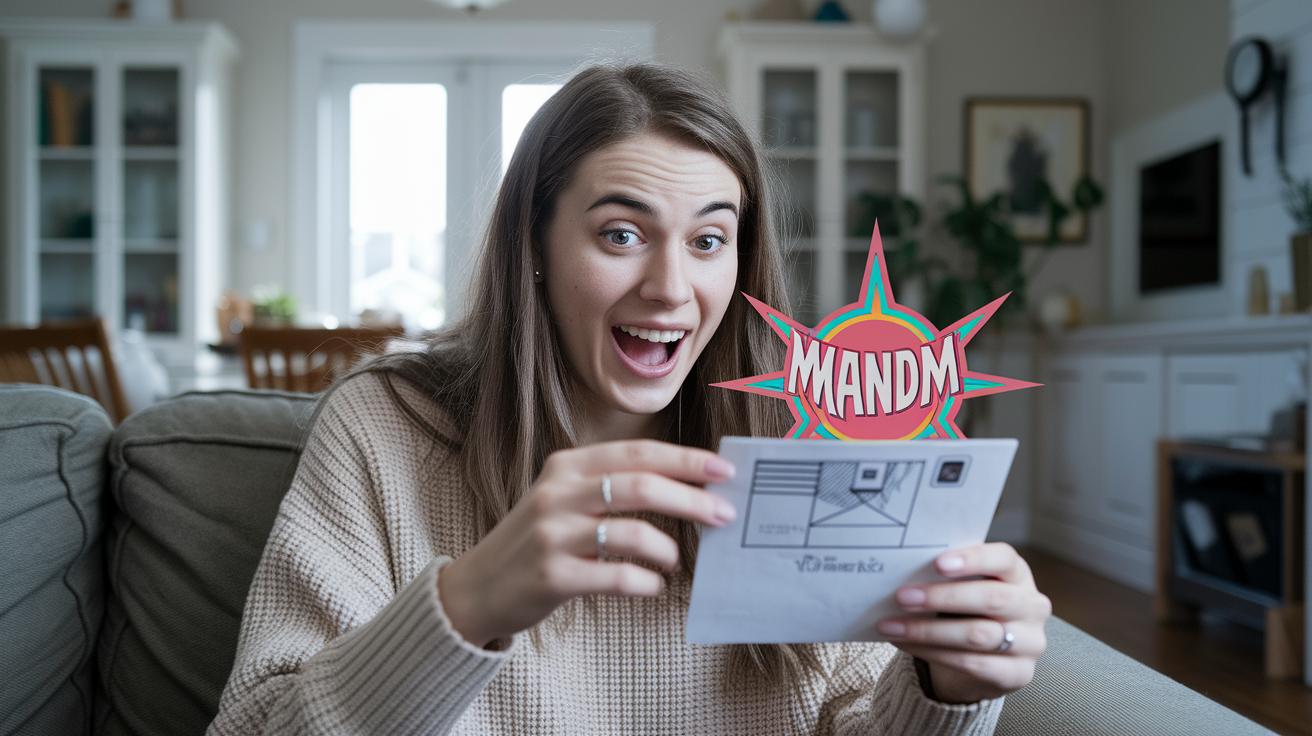
Have you seen the latest pop culture merch breakthroughs? New tech is turning simple souvenirs into unforgettable adventures. Imagine scanning a postcard and watching your favorite band’s logo jump to life in your living room. It really feels like stepping into a world of magic.
And that’s not all. Virtual experiences are blowing up, too. Think metaverse drops and NFT collectibles that give fans a cool, digital way to collect rare items. These goodies come with a twist, often available only for a limited time, letting you snag a piece of the digital pop culture scene without ever leaving your comfy spot at home.
There’s also a trend for subscription boxes and short-lived pop-up shops. Every drop is like unwrapping a surprise gift that blends the digital with the physical, keeping the excitement high and fans on the edge of their seats. It’s a refreshing mix that shows how pop culture merch is reshaping the way we enjoy our favorite trends.
Final Words
In the action, we tracked early collectibles turning into modern fan-favorites. Our discussion moved from historic keepsakes and cinematic merchandise tie-ins to legendary music memorabilia and the latest digital spin. Each part painted a clear picture of how iconic products came to life, fueling today’s community passion. The evolution of pop culture merchandising trends truly reveals a vibrant mix of creativity and innovation. It's exciting to see how these trends continue to shape a dynamic scene that keeps getting better.
FAQ
What historical milestones shaped pop culture merchandising trends?
The historical milestones in pop culture merchandising began with late 1700s commemorative coins, moved to 1878 branded book bags, and later saw Elvis T-shirts and Beatles tour tees, all paving the way for today’s profitable band merch.
How did cinematic tie-ins and licensing shift merchandising practices?
Cinematic tie-ins and licensing shifted merchandising by turning films into merch platforms. Early examples include collectible Paris Opera programs, Disneyland souvenirs, and Star Wars action figures, which transformed characters into must-have items.
What impact did music memorabilia have on merchandising trends?
The impact of music memorabilia is seen in how bands like Queen and Nirvana turned posters into iconic collectibles. Famous items, such as concert apparel and posters, now drive significant revenue and fan passion.
How has the digital era transformed modern pop culture merchandising?
The digital era transformed merchandising through quick merch drops, viral marketing on social media, and NFT collectibles. These innovations let fans snag exclusive items online, creating a fast-paced, must-have experience.
What can we expect for the future of pop culture merchandising trends?
Future trends point to products with augmented reality features, virtual collectibles, and curated subscription boxes. These innovations will create interactive, limited-time experiences that refresh how fans engage with their favorite brands.

